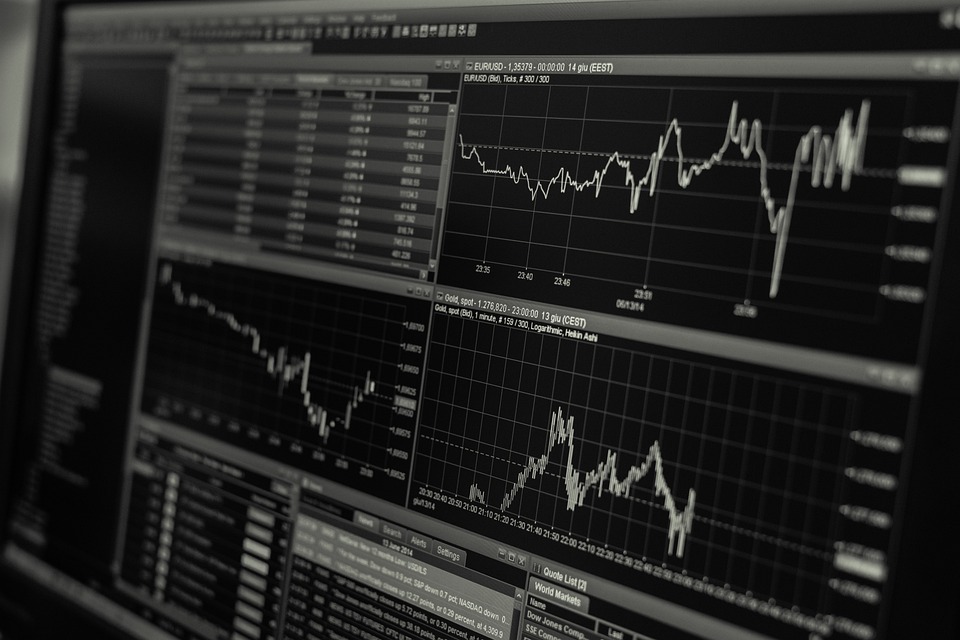
Understanding the Basics of Crypto Charts
In the fast-paced world of cryptocurrency trading, understanding market behavior is fundamental. Many traders rely on crypto charts to make informed decisions. A crypto chart is a graphical representation of a cryptocurrency’s historical price and volume data over time. Mastery of these charts can enhance a trader’s ability to spot trends, anticipate price movements, and execute trades with confidence.
The Essential Types of Charts
There are several types of charts that traders use in the cryptocurrency markets. Each has its unique strengths and ideal use-case scenarios:
- Line Charts: These are the simplest form, consisting of a line that connects the closing prices over a specified period. They provide a clear and immediate view of price movement.
- Candlestick Charts: Each “candlestick” in this chart represents open, close, high, and low prices within a specific time frame. This type of chart is particularly popular among traders because it conveys more information than a line chart.
- Bar Charts: Similar to candlestick charts, bar charts show open, close, high, and low prices but do so in a different visual format. They enable traders to analyze price volatility.
Key Tools for Analyzing Crypto Charts
Traders need a set of tools to enhance their analysis and trade efficiency. Here are the essential tools every trader should master:
1. Charting Software
Platforms like TradingView and Coinigy offer robust charting capabilities. These tools provide a suite of technical indicators and allow for customization, enabling traders to tailor their charts to meet their specific trading strategies.
2. Technical Indicators
Technical indicators are statistical calculations based on price, volume, or open interest that traders use to forecast future price movements. Some widely-used indicators include:
- Moving Averages: These smooth out price data to identify trends over a specific period. Traders often use the 50-day and 200-day moving averages to spot bullish or bearish trends.
- Relative Strength Index (RSI): RSI measures the speed and change of price movements, helping traders identify potential overbought or oversold conditions in the market.
- Bollinger Bands: This tool comprises a middle band (simple moving average) and two outer bands that indicate volatility and price levels relative to the average. Price hitting the outer bands can signal possible reversals.
3. Volume Analysis
Volume is an essential aspect of trading as it indicates the strength or weakness of a price move. High trading volume often confirms a trend, while low volume can signal a potential reversal. Traders must incorporate volume analysis with price trends to build a well-rounded trading strategy.
The Importance of Time Frames
Charts can be viewed over various time frames, ranging from minutes to months, and this choice can significantly affect trading decisions. Day traders, for example, prefer shorter time frames (1-minute to 15-minute charts), while swing traders may look at 4-hour or daily charts. Long-term investors typically analyze weekly or monthly charts. Mastering multiple time frames can provide more comprehensive insights into market conditions.
Reading Crypto Charts: Key Strategies
Reading charts effectively is an art that combines technical know-how with intuition. Here are some strategies to enhance chart reading skills:
1. Identify Trends
Traders should learn to recognize bullish (upward) and bearish (downward) trends and understand patterns such as head and shoulders, triangles, and flags. Recognizing these patterns can enable traders to anticipate future price movements.
2. Support and Resistance Levels
These levels represent price points where buying and selling pressure changes. Support levels are where prices typically bounce back up, while resistance levels are where prices may struggle to surpass. Understanding these levels can help traders make informed buy or sell decisions.
3. Use Risk Management Techniques
No trading strategy is complete without risk management. Traders should establish stop-loss orders to protect their investments from significant losses. Utilizing position sizing can also help manage risk, ensuring that no single trade can severely impact the overall trading capital.
Continuous Learning and Adaptation
The cryptocurrency market is highly volatile and influenced by a myriad of factors including market sentiment, regulatory changes, and technological advancements. Therefore, traders must remain adaptable and keep learning. Online resources like webinars, forums, and social media can provide valuable insights and updates on market trends.
Conclusion
Mastering the art of crypto charts is an ongoing journey that combines knowledge, skill, and practice. By leveraging the right tools and strategies, traders can enhance their ability to navigate the complex world of cryptocurrency. While no tool or technique guarantees success, a well-informed trader armed with the right skills and knowledge stands a greater chance of thriving in this dynamic marketplace.


![The Ultimate Guide to Maximizing Your Bitcoin Experience with [App Name]](https://cdn.pixabay.com/photo/2017/08/17/16/40/hand-2651937_960_720.jpg "The Ultimate Guide to Maximizing Your Bitcoin Experience with [App Name]")





![Trading Made Easy: A Deep Dive into [Platform Name]’s User-Friendly Features](https://cdn.pixabay.com/photo/2021/10/08/04/55/stock-market-6690188_960_720.jpg "Trading Made Easy: A Deep Dive into [Platform Name]’s User-Friendly Features")