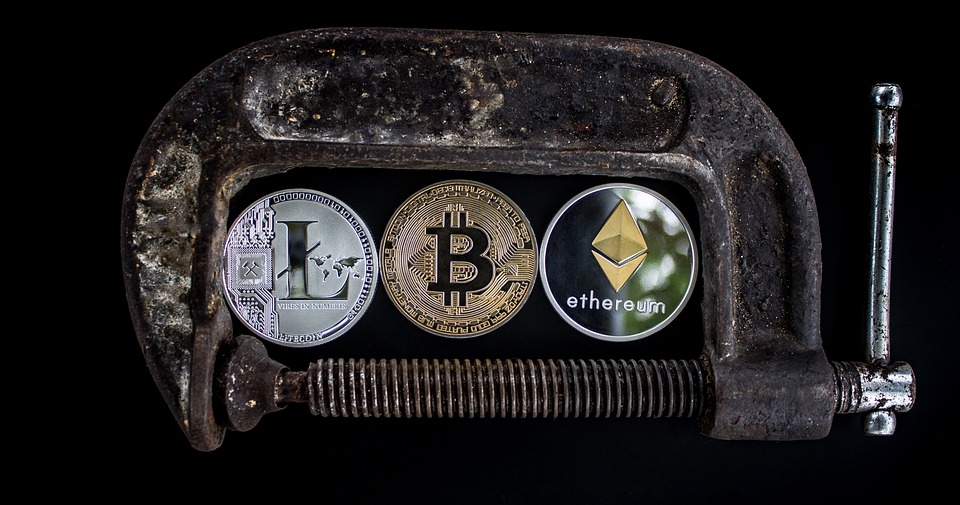
The world of cryptocurrency is not just about buying and holding assets anymore; enter the exhilarating realm of trading competitions. As the market matures, these competitions are becoming key players in driving interest, liquidity, and innovation in the cryptocurrency spaces. They provide a platform not just for seasoned traders but also for newcomers eager to make their mark in the volatile world of crypto.
The Rise of Trading Competitions
Trading competitions have exploded in popularity over the past few years. Founded by exchanges such as Binance and Kraken, these contests often span days or weeks, inviting participants to employ their trading prowess to outperform their peers. Notable examples include Binance’s Trading Competition and FTX’s last stand before its high-profile collapse, both featuring substantial prize pools that attract professional and amateur traders alike.
Competitions bridge the gap between casual engagement and serious trading, transforming the mundane act of trading into an engaging challenge. By racing against others, traders are encouraged to refine their strategies, learn new tactics, and even share knowledge within the community.
The Psychological Factor
The impact of trading competitions extends beyond mere financial incentives. The competitive nature of these events taps into a deep psychological reservoir. The thrill of competition can lead to enhanced focus and strategy development. Competitors are often pushed to research market trends, analyze charts, and devise trading strategies that they might not have explored outside of a competition framework.
In essence, competition fosters a culture of learning. Many participants report that they’ve acquired significant insights into trading techniques and market behavior merely by watching their rivals.
Effects on Market Liquidity
Market liquidity, the ability to buy and sell assets without causing drastic price changes, is crucial for any trading ecosystem. Trading competitions can significantly enhance liquidity, drawing in volumes that might not typically flow through exchanges. When traders compete, they often engage in higher trading frequencies, injecting more cash into the market.
Moreover, this surge in activity brings more participants into the fold. The allure of prizes can entice traders from traditional markets to dip their toes into the crypto realm, thereby broadening the user base and increasing market resilience through diversification.
Shaping Trading Strategies
In a market characterized by volatility, the strategies that traders employ can be crucial to their success. Participating in competitions prompts contestants to optimize their approaches in real-time. Participants often experiment with different styles—ranging from day trading to swing trading—allowing them to discover what maximizes their potential returns.
Emerging trends from these competitions reveal a growing reliance on algorithmic trading and quantitative strategies. As competitors strive for efficiency and agility, many are adopting novel tools that utilize artificial intelligence and machine learning to enhance decision-making processes. This increase in tech-savvy approaches could herald a new era of trading where human intuition is augmented by advanced algorithms.
Challenges and Risks
However, the rise of trading competitions is not without its risks. Increased competition can lead to reckless trading behavior, with participants risking more than they can afford to lose in pursuit of prizes. The allure of profit can sometimes overshadow sound risk management principles, leading to potential losses beyond what traders had initially planned.
Moreover, misleading practices such as wash trading—where traders manipulate the market by buying and selling to themselves—can skew competition results and undermine trust in these events. As trading competitions evolve, addressing these ethical concerns will be crucial to sustaining their legitimacy and reputation.
The Future of Cryptocurrency Competitions
As the cryptocurrency space continues to grow and mature, trading competitions appear poised to leave an indelible mark on its future. With blockchain technology still in its infancy, the potential for gamification through competitions could spark unprecedented levels of interest and participation in the cryptocurrency ecosystem.
Future competitions may not only focus on trading prowess but could evolve into educational platforms where seasoned traders mentor novices. These initiatives might encourage responsible trading practices and foster community spirit, helping to stabilize a market often viewed as extreme and chaotic.
Conclusion
Trading competitions embody a fascinating intersection of finance, technology, and psychology. They stimulate market dynamics, amplify liquidity, and enrich community interactions, making them a vital component of the evolving cryptocurrency landscape. As the crypto market continues to navigate through its growing pains, competitions will likely shape its trajectory, marking the dawn of innovative engagement in this exhilarating digital frontier.