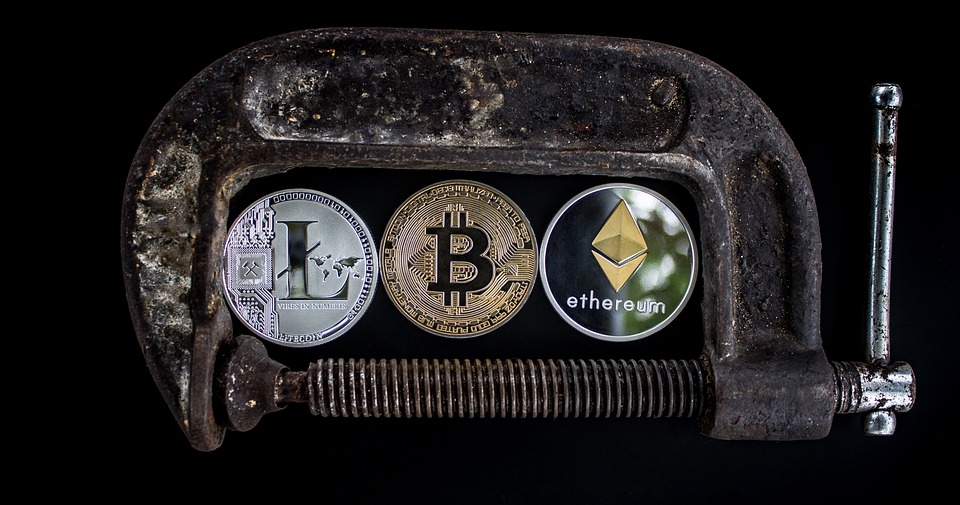
In 2022, the cryptocurrency market experienced one of its most tumultuous periods, leading to a major collapse that sent shockwaves through the global financial system. Once thought to be a digital goldmine for investors, cryptocurrencies like Bitcoin and Ethereum lost significant value in a matter of months. So what caused this dramatic downturn? An examination reveals a complex tapestry of economic trends, regulatory changes, and a shift in investor sentiment.
Economic Influences: Inflation and Interest Rates
The first domino in the crypto collapse was the broader economic landscape. The U.S. economy grappled with skyrocketing inflation rates, reaching a four-decade high of 9.1% in June 2022. This inflationary environment raised concerns about purchasing power and eroded consumer and investor confidence. Traditionally, high inflation results in increased interest rates as central banks aim to control rising prices. In March 2022, the Federal Reserve raised interest rates for the first time since 2018, setting a benchmark that would ripple through various asset classes, including cryptocurrencies.
As borrowing costs rose, the appetite for high-risk investments, like cryptocurrencies, shrank. Investors began seeking safety in traditional assets, such as government bonds and gold, leading to an exodus from the crypto space. The price of Bitcoin, which had reached an all-time high of nearly $69,000 in November 2021, plummeted to below $20,000 by mid-2022, a decline of over 70%.
Market Psychology: From FOMO to FUD
The psychological dynamics of the market also played a significant role in the crypto collapse. In late 2021, a wave of “Fear of Missing Out” (FOMO) propelled retail investors into cryptocurrencies, driving prices higher. However, as economic realities set in and major cryptocurrencies began to experience volatility, this sentiment quickly shifted to “Fear, Uncertainty, and Doubt” (FUD).
The sudden drop in prices triggered panic selling, as investors rushed to minimize their losses. This behavior exacerbated the downturn, creating a feedback loop that led to further declines. Social media played a pivotal role, with platforms like Twitter and Reddit amplifying both waves of FOMO and subsequent FUD, leading to widespread fear and volatility.
Regulatory Pressures: A Double-Edged Sword
Simultaneously, the regulatory landscape began to shift, sending additional tremors through the market. Countries around the world grappled with how to regulate cryptocurrencies, aiming for a balance between consumer protection and innovation. In the U.S., the Biden administration’s executive order in March 2022 aimed to develop a regulatory framework for digital assets. However, the lack of clear guidelines instilled uncertainty among investors.
In South Korea, the Terra-LUNA collapse in May 2022 highlighted the vulnerabilities of algorithmic stablecoins, leading to stricter regulations in the region. With financial authorities worldwide now keenly aware of the risks associated with unregulated digital currencies, calls for tighter rules gained momentum. The European Union also moved to finalize its Markets in Crypto-Assets (MiCA) regulation, further emphasizing the need for comprehensive governance.
This growing regulatory scrutiny created an environment of anxiety among investors. The specter of potential crackdowns cast a long shadow on the market, leading many to question the viability of their investments.
The Impact of Major Cryptos and Market Events
Several key events added fuel to the fire of the crypto collapse. The collapse of TerraUSD, an algorithmic stablecoin, served as a wake-up call. Once a promising venture, it failed to maintain its peg to the dollar, leading to massive losses for investors and sparking wider panic. The fallout forced numerous projects to reconsider their algorithms, leading to a crisis of confidence in the crypto sector.
Moreover, the bankruptcy filings of notable exchanges such as FTX in late 2022 shocked the industry. Reports of mismanagement and lack of transparency triggered a wave of distrust. With billions in losses for investors and employees, the impact was profound, causing many to exit the crypto market entirely.
Looking Ahead: What Lies Beyond the Collapse?
While the crypto collapse revealed significant vulnerabilities, it also spotlighted lessons learned. Investors are now seeking projects with strong fundamentals. Increased interest in regulated crypto products is becoming apparent, pushing developers toward transparency and building trust.
As the market stabilizes, there’s hope for innovation within the regulatory framework. New technologies, such as decentralized finance (DeFi) and non-fungible tokens (NFTs), may evolve alongside improved regulatory clarity. Industry leaders are already advocating for cooperation with regulatory bodies to shape policies that foster responsible innovation while protecting investors.
Conclusion
The crypto collapse of 2022 serves as a stark reminder of the volatility inherent in emerging markets. Economic pressures, regulatory challenges, and psychological shifts created a perfect storm leading to a seismic downturn. However, as the dust begins to settle, there is an opportunity for growth, learning, and responsible development within the crypto landscape. For seasoned investors and newcomers alike, understanding these dynamics will be vital in navigating the next phase of this ever-evolving market.