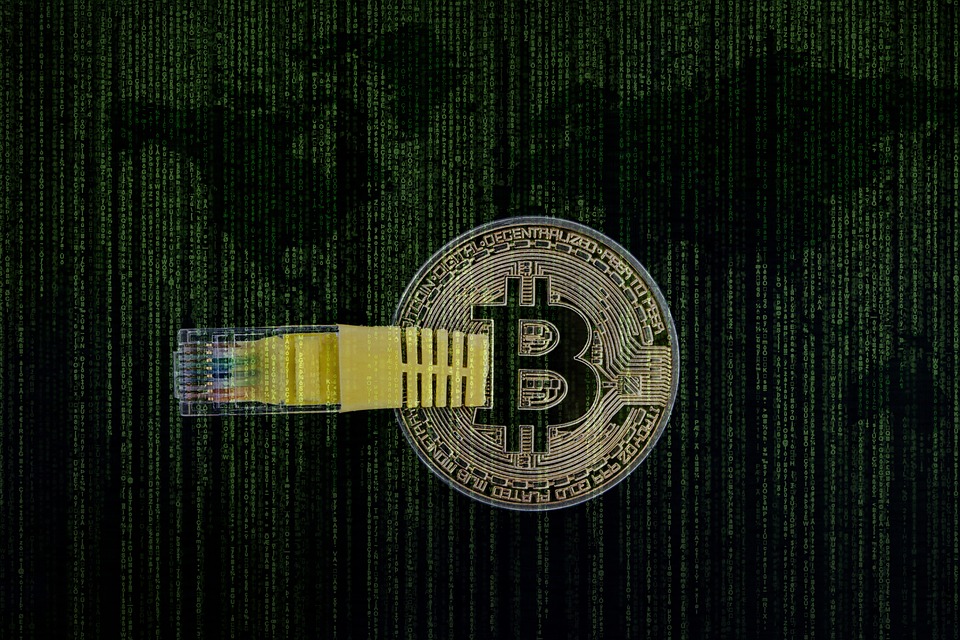
The cryptocurrency market has always been known for its volatility; however, recent months have witnessed a dramatic downturn that has sent shockwaves through global financial systems. As Bitcoin, Ethereum, and various altcoins plummeted in value, the ripple effects have extended beyond individual investors, affecting institutional investors, banks, and economies worldwide. This article delves into the cascading consequences of the crypto market crash and how it is reshaping the landscape of global finance.
The Prelude to the Crash
To understand the ongoing impacts of the recent crash, we first need to explore its origins. Initial signs of trouble began in 2022, sparked predominantly by regulatory crackdowns, rising interest rates, and systemic failures within crypto services like FTX and Terra Luna. As these companies collapsed, investor confidence waned, leading to a panic sell-off. As a result, the overall market cap of the cryptocurrency industry has decreased significantly, reaching levels not seen since early 2021.
Impact on Institutional Investment
Institutions had begun to embrace digital currencies as a part of their portfolios, with significant investments from firms like MicroStrategy and Goldman Sachs indicating a growing acceptance of cryptocurrencies. However, the crash has led to a reassessment of this strategy. According to a report from Morgan Stanley, nearly 50% of institutional investors have either paused or significantly reduced their crypto-related investments in the wake of the crash.
In essence, the volatility and unpredictability of cryptocurrencies have raised alarms among traditionally conservative investors, compelling them to rethink the role of digital assets in their portfolios. “The crypto crash has exposed the risks of investing in such a speculative market,” said Alice Wang, an analyst at Credit Suisse. “Institutions are now more cautious and questioning whether the potential return justifies the risk.”
The Role of Central Banks
Central banks across the globe are also feeling the tremors of this crash. With many financial institutions heavily intertwined with digital assets, the sudden downturn has prompted a reevaluation of monetary policies. For instance, the European Central Bank has considered adjusting interest rates to manage the fallout from decreasing asset values.
Moreover, central banks are increasingly recognizing the need for regulatory frameworks around cryptocurrencies. “The crash has catalyzed discussions on how to create a secure and stable environment for digital currencies,” said Christine Lagarde, President of the ECB. As regulatory frameworks evolve, countries are likely to adopt more stringent measures aimed at safeguarding financial markets from similar volatility in the future.
The Future of Crypto Regulations
Government responses to the crypto crash vary widely across nations. In the United States, Congress has ramped up discussions around creating comprehensive legislation to regulate cryptocurrencies, focusing on consumer protections and anti-money laundering measures. On the other side of the globe, countries like China have reinforced their ban on crypto trading entirely, citing financial stability concerns.
The implications for global finance are profound. Increased regulatory scrutiny could lead to a more stable market in the long run. However, it could also stifle innovation within the industry, potentially slowing down the development of blockchain technology and decentralized finance (DeFi) projects.
Effects on Retail Investors
The impact of the crash extends well beyond institutional investors. Retail investors, who make up a significant portion of crypto market participants, have also felt the sting of the downturn. Many individuals have lost their life savings, with surveys indicating that nearly 70% of investors wish they had never bought into cryptocurrencies.
As retail participation declines, the broader implications become clearer. Consumer confidence is wavering, and spending habits may shift as individuals grapple with financial losses. Additionally, the correlation between crypto prices and the stock market means that a decline in crypto can sometimes trigger broader market sell-offs, further amplifying economic uncertainty.
The Path Forward
As the dust settles from the recent market crash, stakeholders across the financial landscape are left to pick up the pieces. While the crash has brought scrutiny and skepticism, it may also serve as a turning point for the cryptocurrency industry. There is a growing consensus that a more regulated environment could pave the way for sustainable growth.
Experts suggest that regulatory clarity could attract institutional capital back to the market, establishing a more mature financial ecosystem. Furthermore, if centralized and decentralized finance can find a way to coexist, the industry could recover stronger than before, creating new opportunities for innovation and economic growth.
Conclusion
The cryptocurrency market crash is more than a mere blip on the radar; it signals a pivotal moment in global finance. The interconnectedness of crypto markets with traditional finance means that the ramifications will likely be felt long after the market stabilizes. In an environment of uncertainty, adaptability will be key, and both individuals and institutions must navigate this complex landscape with caution. The future of digital currencies may be uncertain, but the lessons learned from this turmoil could ultimately lead to a more robust financial system for all.