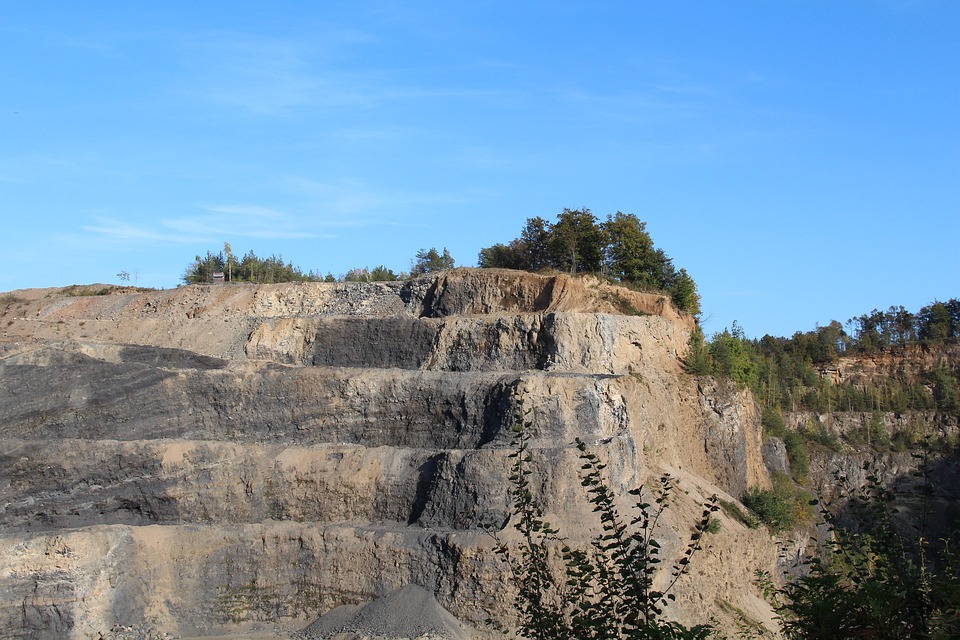
The mining industry has long been known for its rugged terrain, complex logistics, and demanding labor. But as we advance into an era marked by digital transformation, innovative software solutions are rapidly reshaping the future of mining. Companies are not only focusing on efficiency but also prioritizing sustainability and safety. Here, we explore how technology is revolutionizing mining operations and what it means for the industry going forward.
The Rise of Digital Twins
One of the most groundbreaking innovations in mining is the application of digital twin technology. A digital twin creates a virtual replica of physical assets, processes, or systems. In the mining industry, this allows companies to simulate operations in a controlled environment. By monitoring real-time data, miners can predict equipment failures, optimize performance, and reduce downtime.
According to a recent report by Mining Weekly, the use of digital twins can result in up to a 20% increase in operational efficiency. Companies like Rio Tinto have already implemented digital twin solutions in their iron ore operations in Australia, enabling them to achieve unprecedented levels of predictive maintenance.
Automation and Robotics in Mining
The future of mining is increasingly leaning toward automation. With labor costs rising and the need for safety improvements becoming more urgent, companies are investing heavily in robotic solutions. Autonomous vehicles, drones, and automated drilling systems are just the beginning.
Cat® Command for Hauling, a pioneering automated haulage system from Caterpillar, illustrates how automation is revolutionizing the industry. By allowing trucks to operate without human drivers, companies are not only reducing the risk of accidents but also optimizing transportation efficiency.
Furthermore, companies such as BHP have begun incorporating drones for surveying and safety operations, which can gather data faster and more accurately than traditional methods. With drones capable of identifying safety hazards and monitoring environmental compliance, mining operations are becoming safer and more efficient.
Data Analytics and Artificial Intelligence
Data is the new gold in the modern mining industry. By leveraging data analytics and artificial intelligence (AI), mining companies can gain valuable insights that were previously unattainable. Predictive analytics tools can forecast market trends, monitor equipment, and enhance decision-making processes.
For example, Newmont Corporation utilizes AI-powered algorithms to analyze geological data, helping geologists identify higher-quality ore deposits. This technology enhances exploration efforts and resource allocation, making operations not just more efficient but also more lucrative.
Moreover, by integrating AI with various software platforms, mining companies can automate reporting processes, thereby streamlining operations and ensuring compliance with regulations.
Environmental Sustainability through Software
In an era of increasing scrutiny around environmental impact, software solutions are also playing a vital role in enhancing sustainability efforts within the mining sector. Advanced software platforms can facilitate better management of resources, waste, and emissions.
Tools designed for monitoring environmental impact help mining companies comply with regulatory requirements and manage their carbon footprints. Companies like Anglo American are implementing real-time monitoring systems that track emissions and energy consumption, allowing them to make adjustments on the fly and minimize their environmental impact.
Furthermore, by using simulation software, mining companies can model the environmental impact of new mining projects before they begin. This proactive approach not only aids in regulatory compliance but also builds public trust.
Challenges and Considerations
Despite the myriad benefits, the integration of software solutions into mining operations is not without challenges. Cybersecurity is a pressing concern, as more operations move online and become interconnected. Mining companies must invest in robust cybersecurity measures to protect sensitive data and infrastructure from cyber threats.
Additionally, workforce adaptation presents another hurdle. Employees need training to work effectively with these advanced technologies. Many mining companies are initiating workforce development programs to ensure employees are equipped with the necessary skills to thrive in this new landscape.
The Road Ahead
As the mining industry continues to evolve, the role of innovative software solutions will only become more crucial. From real-time monitoring and predictive analytics to automated systems, the landscape of mining is set for a technological revolution that prioritizes safety, efficiency, and sustainability.
With pioneers like Vale investing in AI and machine learning for predictive maintenance and enhancing operational efficiency, it’s evident that the future of mining is not just about extracting resources; it’s about optimizing processes, enhancing safety, and ensuring environmental responsibility.
As we look ahead, the mining industry stands at a crossroads where traditional practices meet cutting-edge technology. Those that are willing to adapt and integrate these innovative solutions will not only thrive but will redefine what the mining industry looks like in the years to come. The future of mining is not just bright; it’s digital.