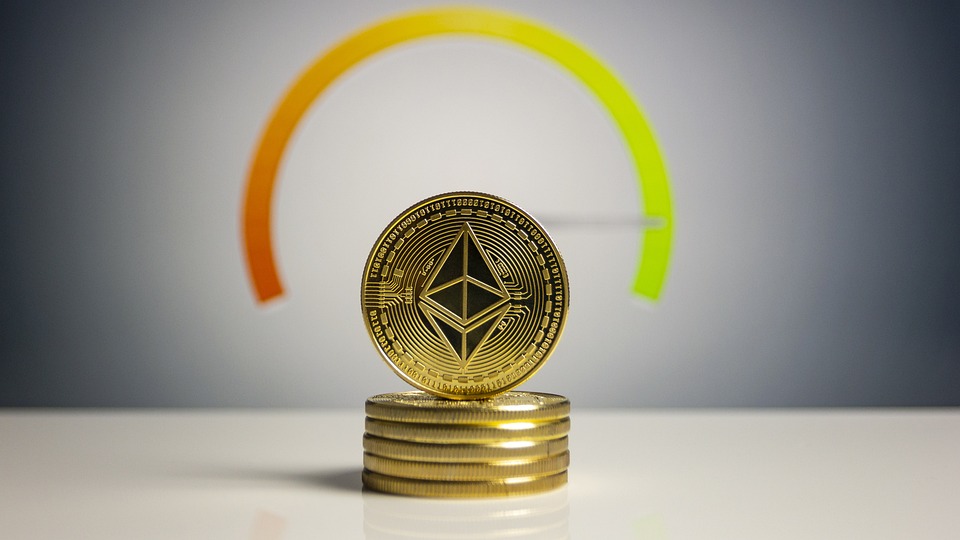
As the second-largest cryptocurrency by market capitalization, Ethereum (ETH) has emerged as a focal point for investors seeking to navigate the complex landscape of digital assets. The ongoing evolution of Ethereum’s infrastructure, coupled with macroeconomic factors and changing investor sentiment, has generated a flurry of opinions regarding its future direction. In this article, we analyze current market trends and explore whether it’s a wise decision to buy or sell Ethereum at this pivotal moment.
Understanding Ethereum: The Backbone of Decentralized Finance
Launched in 2015, Ethereum introduced a revolutionary concept: smart contracts, which enable self-executing agreements without intermediaries. This technology has fueled a diverse ecosystem encompassing decentralized finance (DeFi), non-fungible tokens (NFTs), and more. Ethereum’s transition to Ethereum 2.0, reducing its energy consumption and enhancing scalability through a proof-of-stake (PoS) consensus mechanism, is a monumental step aimed at solidifying its position in the market.
Recent Trends in Ethereum’s Market Performance
Reflecting on recent market activity, Ethereum’s price has seen significant volatility, mirroring broader economic conditions and market sentiment surrounding cryptocurrencies as a whole. As of late 2023, Ethereum has been trading around $1,850 per coin, after experiencing sharp fluctuations that saw it dip below $1,400 earlier in the year. The past months have seen renewed interest as institutional investors cautiously re-enter the market.
Market analysts highlight that Ethereum’s price movements are intricately linked with its technological advancements and macroeconomic factors such as inflation rates, interest policies from the Federal Reserve, and ongoing geopolitical tensions. As the investment landscape evolves, Ethereum continues to captivate both seasoned investors and newcomers alike.
Investor Sentiment: A Reflection of Hope and Skepticism
Investor sentiment regarding Ethereum remains mixed. On one hand, there are proponents who see Ethereum as a pivotal asset, bolstered by institutional interest and integration into mainstream financial systems. Recent surveys reveal that a significant portion of institutional investors intends to increase their exposure to Ethereum over the next year, driven by its utility in DeFi and NFTs.
Conversely, skepticism lingers. Some analysts caution against overexposure due to the inherent risks of the crypto market, which is characterized by unpredictable price swings and regulatory challenges across various jurisdictions. The persistent threat of a regulatory crackdown continues to loom large, clouding the prospects for many crypto assets including Ethereum.
Technical Analysis: Indicators and Predictions
Technical analysis serves as one of the key tools investors utilize to gauge potential market trends. A review of Ethereum’s candlestick patterns, moving averages, and Relative Strength Index (RSI) indicates critical support and resistance levels that investors need to be aware of. Currently, Ethereum faces strong resistance at the $2,000 mark, while support is seen around $1,700.
Experts predict that if Ethereum can solidly break through this resistance threshold, it could catalyze a new bull run akin to previous cycles. Nevertheless, caution is advised; periods of sideways trading or further dips could prevail if macroeconomic conditions remain unfavorable.
The Role of Regulatory Developments
Regulatory clarity is another influential factor affecting investor sentiment towards Ethereum. Recently, several countries have implemented clearer regulations that differentiate between cryptocurrencies and securities. The U.S. Securities and Exchange Commission (SEC) has been particularly vigilant, with ongoing litigation concerning various cryptocurrencies, shaping perceptions around market legitimacy.
The emerging stance on regulations could either bolster or hinder Ethereum’s market position. Should favorable regulations be enacted, it might stimulate institutional investment and broader adoption, consequently increasing Ethereum’s value. However, a negative regulatory environment could pose significant risks, prompting investors to reconsider their holdings.
Conclusion: Is Now the Time to Buy or Sell?
In evaluating whether to buy or sell Ethereum, investors must consider multiple facets, including market trends, investor sentiment, technical indicators, and regulatory developments. While Ethereum presents a superior opportunity for growth—largely due to its innovative technology and ongoing updates—the risks inherent in the crypto landscape remain substantial.
As the market continues to evolve, keeping a close watch on macroeconomic conditions and technological advancements will be essential for informed investment decisions. For those who believe in Ethereum’s long-term value and adoption potential, maintaining a position may prove prudent. Conversely, investors wary of impending volatility or expected corrective phases may opt to sell or reduce their exposure.
Ultimately, the decision to buy or sell Ethereum hinges upon individual risk tolerance, investment goals, and market understanding. Whether you are a seasoned investor or contemplating your first venture into the crypto space, thorough research and prudent strategy remain key pillars for successful investing.
Sources: CoinMarketCap, Bloomberg, Deloitte Insights