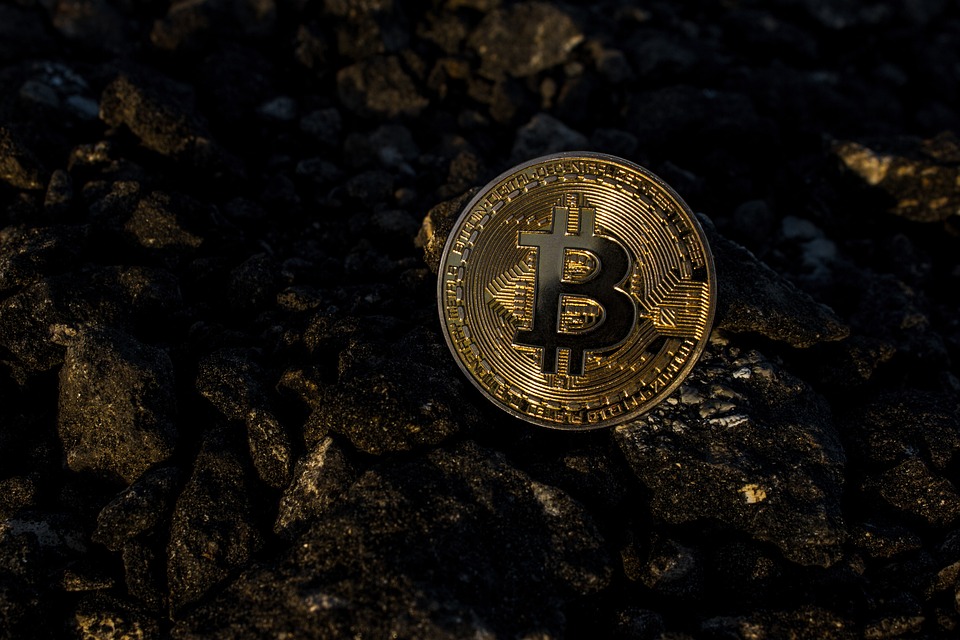
Cryptocurrency has come a long way since the release of Bitcoin in 2009, evolving from a niche curiosity into a mainstream financial phenomenon. With the combined market capitalization soaring past $2 trillion in recent years, it’s become impossible for investors and analysts to ignore. However, this meteoric rise raises an essential question: Is the cryptocurrency market poised for a significant correction? Will the bubble burst?
The Allure of Digital Gold
Cryptocurrencies offer a decentralized, permissionless alternative to traditional banking systems. This appeal, coupled with the promise of high returns, has captured the imagination of investors around the globe. Bitcoin, often referred to as “digital gold,” has become a store of value in a world where monetary systems face unprecedented challenges from inflationary pressures and geopolitical tensions.
“Investing in cryptocurrencies is not just about potential profits; it’s about exploring the future of finance.” – Financial Analyst
But while the allure is potent, the risks cannot be brushed aside. An increasing number of analysts are warning about potential bubbles fueled by speculation and extreme volatility, amplifying concerns across the financial community.
The Mechanics of a Bubble
A financial bubble occurs when the prices of assets inflate to unsustainable levels based on excessive speculation. The classic example is the Tulip Mania in the Netherlands in the 17th century, where the price of tulip bulbs reached extraordinary heights before crashing. Today, the cryptocurrency market exhibits many of the same symptoms. Rapid price increases often seen in Bitcoin, Ethereum, and altcoins can lead unsuspecting investors to pour money into these assets without understanding their underlying value.
The Investopedia outlines the key characteristics of a bubble: rapid price increase, widespread speculation, and a sudden drop in prices. Observers have noted these traits in the cryptocurrency market, particularly during the vast speculative run that peaked in 2021.
The Fragility of the Market
Market volatility remains one of the defining characteristics of cryptocurrencies. The “whale” phenomenon, where individuals or entities hold large amounts of cryptocurrency, amplifies market vulnerability. For instance, movements by a few whales can lead to drastic price swings, shaking the confidence of average investors. In May 2021, for instance, a single tweet from Tesla CEO Elon Musk about Bitcoin’s energy consumption sent prices plummeting, erasing billions in market value within hours.
In addition, regulatory uncertainty looms large over the sector. Countries like China have cracked down on cryptocurrency operations, while others, such as El Salvador, embrace Bitcoin as legal tender. The inconsistency leaves investors in a precarious position, as regulations can dramatically affect market stability. Analysts caution that regulatory changes can precipitate a swift market correction, underscoring the risks involved.
Market Sentiment and Psychological Traps
Behavioral finance plays a significant role in understanding market dynamics, particularly in the cryptocurrency space. Fear of missing out (FOMO) often drives investors to buy at inflated prices, creating a false sense of security. This psychological trap can lead to herd behavior, where individuals follow the crowd without conducting their due diligence.
Conversely, during downturns, panic selling can exacerbate losses and contribute to significant declines in price. Cryptocurrency markets are particularly susceptible to these emotional swings, given the inherent volatility. As history has shown, sentiment can shift dramatically and often without warning.
The Case for Long-Term Viability
Despite the risks, many advocates argue that cryptocurrency has a sustainable future. The technology underlying cryptocurrencies, blockchain, offers revolutionary benefits across various sectors beyond finance. From supply chain management to smart contracts, the potential applications are vast, providing a robust argument for long-term investment.
The emergence of decentralized finance (DeFi) and non-fungible tokens (NFTs) has also introduced new use cases, driving adoption and innovation. These advancements may help shield cryptocurrencies from cyclical market fluctuations, enhancing their long-term viability.
Conclusion: Navigating the Landscape
As the cryptocurrency market continues to evolve, investors must tread cautiously. Understanding the risks—speculation, volatility, regulatory uncertainty, and psychological pitfalls—is crucial for making informed decisions. While it’s possible that a bubble could burst, leading to significant market corrections, the underlying technology and its applications present opportunities worth considering.
Ultimately, as with all investments, diversification, thorough research, and a solid understanding of one’s risk tolerance can help navigate the uncertain waters of cryptocurrencies. Whether you believe in the promise of decentralized finance or are skeptical of the bubble, one thing remains clear: the future holds both immense potential and peril.


![Unleashing Potential: How [Platform Name] is Revolutionizing Crypto Trading](https://cdn.pixabay.com/photo/2016/11/23/14/37/blur-1853262_960_720.jpg "Unleashing Potential: How [Platform Name] is Revolutionizing Crypto Trading")