


- Understanding Volatility in Crypto Markets
- Key Risk Management Strategies
- 1. Allocate Only What You Can Afford to Lose
- 2. Diversification
- 3. Set Realistic Goals
- 4. Use Stop-Loss Orders
- 5. Regularly Review and Adjust Your Strategy
- 6. Keep Emotions in Check
- 7. Use Risk/Reward Ratios
- The Role of Technology in Risk Management
- Conclusion: Navigating the Crypto Landscape
As the allure of cryptocurrency continues to grow, so does the importance of effective risk management in crypto trading. The volatile nature of the markets means that even the most experienced traders must tread carefully. This guide delves into the essential strategies for managing risk in crypto trading, enabling traders to balance potential rewards with corresponding risk.
Understanding Volatility in Crypto Markets
Cryptocurrencies are notoriously volatile. Prices can swing dramatically within short time frames, leading to substantial gains or devastating losses. Understanding the nature of this volatility is the first step in effective risk management.
What Causes Volatility?
Several factors contribute to the volatility of cryptocurrency markets:
- Market News: Announcements related to regulation, technological advancements, or partnerships can lead to rapid market changes.
- Market Sentiment: The psychological component of trading can drive prices up or down significantly based on collective investor behavior.
- Liquidity: Many cryptocurrencies experience lower liquidity compared to traditional assets, resulting in larger price fluctuations with less capital.
Key Risk Management Strategies
Implementing robust risk management strategies is crucial for sustaining long-term trading success. Here are several key strategies:
1. Allocate Only What You Can Afford to Lose
Investing in cryptocurrencies should be treated as a high-risk venture. A sensible approach is only to allocate capital that you can afford to lose. This protects your overall financial stability and allows you to invest with a clear mind, devoid of panic.
2. Diversification
Diversifying your portfolio can mitigate risk. Instead of investing all your capital in one cryptocurrency, consider spreading your investments across multiple assets. This way, the poor performance of one asset can be offset by the stability or growth of another.
3. Set Realistic Goals
Setting clear, achievable trading goals helps manage expectations and can prevent emotional decision-making. Whether it’s a target profit margin or a specific timeline for holding an asset, having predetermined goals keeps you focused.
4. Use Stop-Loss Orders
Stop-loss orders are essential tools for limiting losses. By setting a stop-loss at a specific price point, you can automatically sell a cryptocurrency if it drops below that level, helping to protect your investment from significant declines.
5. Regularly Review and Adjust Your Strategy
Market conditions are constantly changing, and what works today may not work tomorrow. Regularly assessing your trading strategy allows you to adapt to evolving circumstances, ensuring that you remain responsive to market dynamics.
6. Keep Emotions in Check
Trading is often fraught with emotional highs and lows. Developing a systematic approach that centers on rational decision-making—based on data rather than emotions—can greatly reduce risk. Methods such as journaling trades can help identify emotional triggers and patterns.
7. Use Risk/Reward Ratios
Before entering a trade, assess the potential risk against the expected reward. A common practice is to aim for a 1:3 risk/reward ratio. This means for every dollar you risk, you aim to gain three. Understanding your risk/reward ratio encourages disciplined trading.
The Role of Technology in Risk Management
Technological advancements in trading platforms are transforming how traders approach risk management. Here are some key tools and features to consider:
1. Algorithmic Trading
Algorithmic trading allows users to automate their trading strategies based on set criteria. By automating trades, you can minimize emotional trading posts and stick to your predetermined strategies more effectively.
2. Advanced Charting Tools
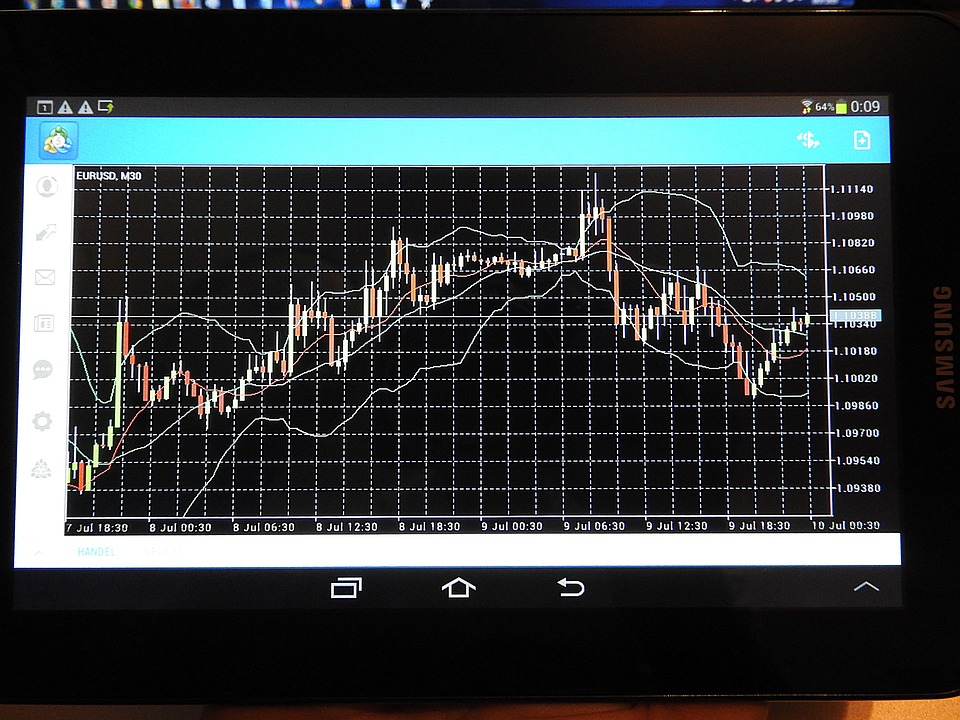
Utilizing sophisticated charting tools enables traders to visualize market trends and make informed decisions. Advanced technical indicators can aid in identifying entry and exit points, increasing the precision of trading strategies.
3. Portfolio Management Tools
With so many assets available, using portfolio management tools can help traders track their investments easily, monitor performance, and assess risk exposure in real-time.
Conclusion: Navigating the Crypto Landscape
Risk management in crypto trading is not a one-size-fits-all approach. It requires careful consideration of individual risk tolerance, trading goals, and market dynamics. By implementing structured risk management strategies, traders can navigate the tumultuous waters of cryptocurrency investment more effectively.
As the crypto market continues to evolve, so too will the strategies for managing risk. Staying informed, embracing technology, and adapting to market changes will empower traders to not only survive but thrive in the ever-changing landscape of crypto trading.









![Trading Made Easy: A Deep Dive into [Platform Name]’s User-Friendly Features](https://cdn.pixabay.com/photo/2021/10/08/04/55/stock-market-6690188_960_720.jpg "Trading Made Easy: A Deep Dive into [Platform Name]’s User-Friendly Features")