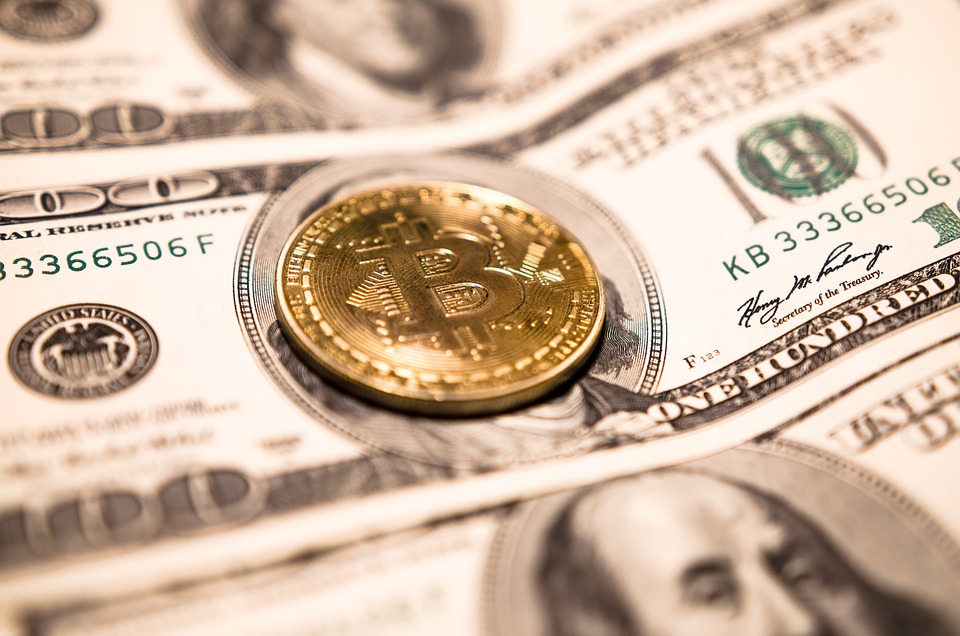
Market Shifts: Bitcoin Surges to New Highs Amid Economic Uncertainty
In a world fraught with economic unpredictability, Bitcoin has once again positioned itself as a beacon of hope and speculation. Over the last few months, the cryptocurrency has surged to new highs, capturing the attention of not just investors, but also economists and policy analysts who are closely monitoring the implications of this surge amidst ongoing economic turbulence.
The Current Economic Landscape
As countries grapple with rising inflation, supply chain disruptions, and geopolitical tensions, traditional financial markets have found themselves in tumultuous waters. The U.S. Federal Reserve’s response to inflation—raising interest rates dramatically—has left many investors wary of conventional assets such as stocks and bonds. Simultaneously, the European natural gas crisis stemming from geopolitical tensions has only added to the prevailing apprehension.
Against this backdrop, Bitcoin’s rate of appreciation stands in stark contrast to the declining fortunes of many traditional assets. As of early November 2023, Bitcoin surpassed the $75,000 mark, reaching levels not seen since the speculative frenzy of late 2021.
Why Bitcoin is Thriving
The reasons behind Bitcoin’s resurgence are manifold. First and foremost, a growing recognition of Bitcoin as a hedge against inflation is attracting both retail and institutional investors. Historically, Bitcoin has been likened to digital gold, and this analogy has gained traction as inflationary pressures mount globally. With real asset values being eroded by increasing costs of living, Bitcoin offers a semblance of security.
Secondly, the advancement of technology and the broader acceptance of cryptocurrencies as a legitimate alternative to fiat currencies has played a crucial role. Payment systems such as Paypal and Square have effectively integrated Bitcoin transactions into their platforms, facilitating ease of access and increasing daily utilization. Additionally, countries like El Salvador have taken the bold step of declaring Bitcoin as legal tender, further legitimizing its place in the world financial system.
Investor Sentiment Shifting
The investor sentiment around Bitcoin has also shifted significantly as more people begin to understand its potential benefits. During times of economic uncertainty, many are drawn to the idea of owning a decentralized asset that is not controlled by any government entity or central bank. This philosophy echoes a growing distrust in traditional financial systems, especially as people witness government intervention in the form of quantitative easing and stimulus packages.
Retail investors are not alone in this sentiment; institutional investors have increasingly allocated funds into cryptocurrencies. According to a recent report by Fidelity, nearly 40% of institutional investors have invested in digital assets, marking a substantial increase from the previous year. Major corporations, including Tesla and MicroStrategy, are also holding significant quantities of Bitcoin in their balance sheets, reinforcing its legitimacy as an asset class.
Technological Developments and Market Maturity
The evolution of the cryptocurrency market has also included vital technological advancements that instill confidence in investors. The Bitcoin network has seen improvements in scalability with the implementation of the Lightning Network, enabling faster and cheaper transactions. Additionally, regulatory clarity in certain jurisdictions has given institutional investors more confidence to dip their toes into the cryptocurrency waters.
Market maturity is evident not only in the technological enhancements but also through the emergence of a more structured ecosystem, including cryptocurrency exchanges, trading platforms, and custodial services. These developments contribute to a more standardized operational framework around Bitcoin, making it a more appealing option for those uncertain about its long-term viability.
Challenges Ahead
While the current trajectory for Bitcoin appears positive, it is crucial to acknowledge the inherent challenges that lie ahead. Regulatory scrutiny remains a significant concern, particularly as governments worldwide seek to implement frameworks around cryptocurrencies. The potential for tighter regulations, taxation policies, and operational standards could pose headwinds for Bitcoin’s growth.
Moreover, volatility is inherent in the cryptocurrency market. The dramatic price swings often associated with Bitcoin can be alarming for some investors, resulting in a reluctance to adopt it as a stable store of value. Events like regulatory announcements or market manipulations can lead to sharp fluctuations, and these can cause panic among less experienced investors.
The Future of Bitcoin
As we look to the future, the potential for Bitcoin is accompanied by uncertainty. Analysts suggest that if current trends continue and if Bitcoin solidifies its position as a hedge against inflation, we could be witnessing the dawn of a new financial paradigm where cryptocurrencies play a pivotal role in the global economy.
In summary, while Bitcoin’s ascent amid economic uncertainty is remarkable, it is also emblematic of broader shifts in financial paradigms. Whether this cryptocurrency will hold its value and continue its upward trajectory remains to be seen, but its recent successes paint a picture of a potentially transformative evolution in financial markets.