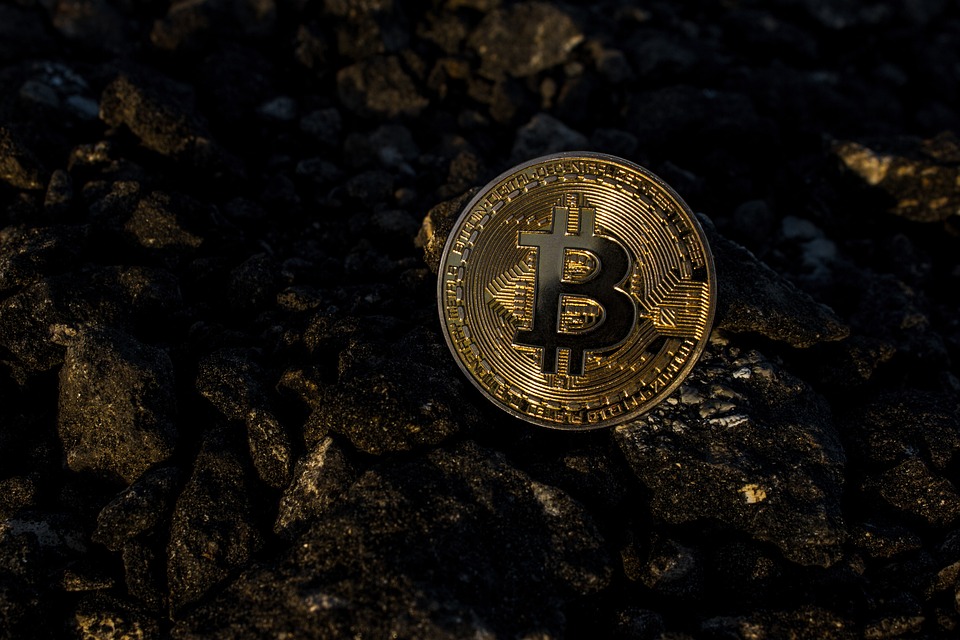
In recent weeks, the cryptocurrency market has witnessed a notable resurgence as Bitcoin and various altcoins have experienced significant price rallies. This renewed momentum comes amid a surge in institutional interest, illustrating a shift in sentiment towards digital assets that were once considered highly speculative. This article breaks down the key factors driving this rally, the performance of major cryptocurrencies, and the implications for the future of the crypto market.
The Bitcoin Surge
Bitcoin (BTC), the leading cryptocurrency by market capitalization, has seen its price climb sharply over the past month, recently crossing the psychological barrier of $40,000. Analysts point to several factors behind this upward trajectory. Notably, the growing interest from institutional investors has played a crucial role in validating Bitcoin’s status as a legitimate asset class.
Prominent asset management firms, hedge funds, and even traditional financial institutions are allocating a portion of their portfolios to Bitcoin. A recent report by JPMorgan indicates that institutional investors are increasingly favoring Bitcoin over gold as a hedge against inflation. The influx of capital from these entities not only supports Bitcoin’s price but also fosters a sense of confidence among retail investors.
Altcoin Performance
Meanwhile, altcoins have also been beneficiaries of this positive sentiment. Ethereum (ETH), Binance Coin (BNB), and Cardano (ADA) have all recorded impressive gains, with Ethereum approaching the $3,000 mark. This rally in altcoins signifies a broader market recovery, propelled by the bullish outlook on Bitcoin.
Ethereum’s upgrade to the Ethereum 2.0 blockchain has been a significant catalyst for its recent performance. The transition to a proof-of-stake (PoS) model promises to enhance transaction speeds and scalability, as well as reduce energy consumption. This evolution has attracted developers and investors alike, fueling optimism about the future utility of the Ethereum network.
Factors Driving Institutional Interest
Several factors are contributing to the growing institutional interest in cryptocurrencies.
- Increased Regulation: The regulatory landscape is steadily evolving, with governments around the world developing frameworks to govern cryptocurrencies. This clarity can reduce uncertainty for institutional investors and encourages more participation.
- Diverse Investment Vehicles: The introduction of exchange-traded funds (ETFs) and other investment products has made cryptocurrencies more accessible to investors. Institutions can now invest in Bitcoin through traditional financial products, creating a bridge between conventional finance and the crypto world.
- Market Maturity: The cryptocurrency market has matured significantly over the past few years. Enhanced security measures, improved trading platforms, and increased transparency have made it easier and safer for institutions to enter the space.
The Potential Risks
While the outlook remains optimistic, it is essential to acknowledge the potential risks associated with investing in cryptocurrencies. Market volatility is a hallmark of the crypto landscape, and significant price fluctuations can occur with little warning. As such, institutions must approach their investments with caution.
Additionally, regulatory developments can swing sentiment dramatically. For instance, tighter regulations in one major market can affect prices globally. This apprehension is particularly pronounced among institutional investors who are bound by compliance and fiduciary responsibilities.
Future Implications
The current rally in Bitcoin and altcoins underscores a pivotal moment in the cryptocurrency market. Should institutional interest continue to grow, we may witness a period of sustained price appreciation, further legitimizing digital assets in the eyes of mainstream finance.
However, experts caution that this rally should not be viewed as a linear pathway to unbounded growth. Market corrections are inevitable, and investors must remain vigilant. The crypto space is known for its cyclical patterns, and understanding these trends will be paramount for both retail and institutional players alike.
Conclusion
As Bitcoin and altcoins rally amid growing institutional interest, the cryptocurrency market appears to be entering a transformative phase. The convergence of institutional capital, regulatory clarity, and technological advancements presents unique opportunities, but it also necessitates a prudent approach from investors. The coming months will undoubtedly be critical in determining whether this newfound interest leads to a long-term paradigm shift for cryptocurrencies or if it will merely represent another speculative chapter in the market’s ongoing evolution.
For now, as Bitcoin hovers near $40,000 and altcoins show robust performance, the digital asset ecosystem remains one of the most dynamic and intriguing sectors in the financial landscape.