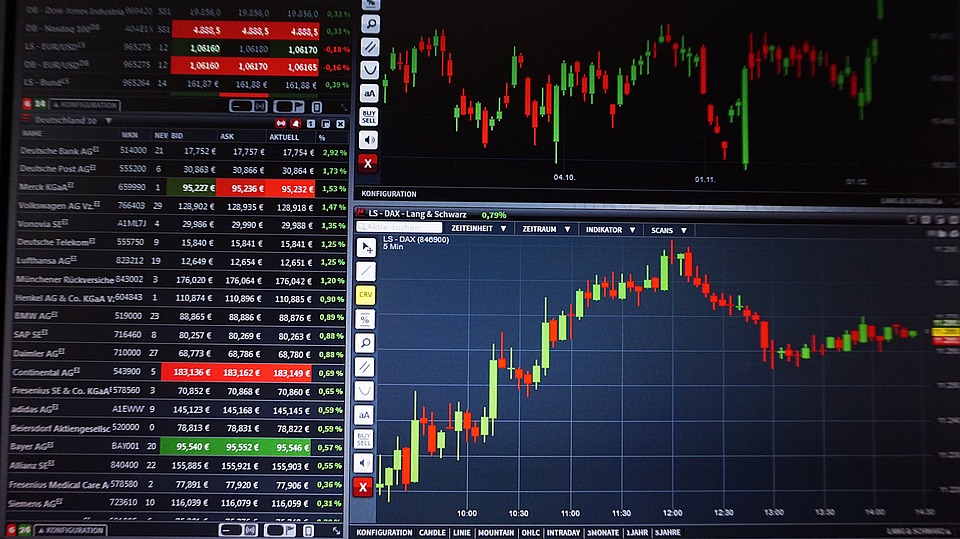
In the fast-paced world of cryptocurrency, volatility is the norm. Prices soar and plunge in mere seconds, making it a challenge for even seasoned traders to keep up. In this rapidly evolving arena, a new player has emerged: automated crypto trading. This technology, harnessing the power of algorithms and artificial intelligence (AI), has made it easier than ever for investors to navigate the volatile waters of digital currencies. But what fuels this rise of automated trading, and what does it mean for the future of investing?
The Genesis of Automated Trading
The concept of automated trading isn’t new. Traditionally used in stock markets, algorithmic trading started gaining traction in the early 2000s. However, the explosive growth of cryptocurrencies since Bitcoin’s inception in 2009 has catalyzed a new era of trading. As the crypto market matured, the complexity of available trading strategies increased, paving the way for automation.
Automated trading platforms, such as 3Commas and Cryptohopper, emerged to cater to this demand. They allow users to design, backtest, and deploy trading bots that can execute trades based on predetermined strategies. These bots leverage indicators, sentiment analysis, and even news analytics to make trading decisions, offering investors a competitive edge.
The Appeal of Automation
One of the primary attractions of automated trading is the elimination of emotional decision-making. Investors often let fear or greed dictate their trades, leading to impulsive decisions that can result in significant losses. Automated trading systems operate on a strict set of rules, ensuring a disciplined approach to trading.
“Automated trading takes the emotion out of trading and allows for quicker decision-making,” says Alex Thorne, Head of Research at Galaxy Digital. “When volatility hits, the last thing you want is to second-guess your trades.”
How Does It Work?
Automated trading operates through a set of algorithms that process data to forecast future price movements. Traders input parameters such as the cryptocurrencies to trade, risk threshold, and profit targets, and the system does the rest. With real-time market data at its fingertips, the algorithm evaluates thousands of trades per second, making it capable of executing trades at lightning speed.
Moreover, machine learning has gradually been integrated into these systems, allowing them to adapt and refine their strategies based on historical data. This adaptability enhances their ability to predict market trends, making them a valuable tool for both new and experienced traders.
The Risks and Rewards
While automated trading offers numerous advantages, it is not without its risks. A primary concern is the potential for systemic failures. A glitch in the code or an unforeseen market event can prompt a cascade of poor trading decisions, resulting in substantial losses. Furthermore, the overreliance on automation can lead to complacency; traders may neglect to monitor global events that could impact their positions significantly.
It’s also important to consider that not all trading algorithms are created equal. Some may employ overly aggressive tactics that can end up being counterproductive, especially in highly volatile markets. Thorough backtesting and ongoing strategy adjustments are crucial in mitigating these risks.
The Democratization of Trading
One of the most significant impacts of automated trading has been the democratization of investment. Novice traders, who may have previously felt overwhelmed by the complexities of the crypto market, can now leverage the expertise encoded into trading algorithms. With accessible platforms, anyone with an internet connection can begin investing, creating a more inclusive trading environment.
The Future of Automated Trading
As cryptocurrency continues to evolve, so too will automated trading. The rise of decentralized finance (DeFi) and non-fungible tokens (NFTs) opens up a new frontier for algorithmic trading. For example, traders may soon use automated systems to trade NFTs on various marketplaces, following their own set of strategies based on real-time analysis of market sentiment and value trends.
Additionally, regulatory scrutiny is likely to increase, prompting the development of more compliant automated trading systems. This will push innovators to create safer platforms, ensuring that both retail and institutional investors can trade with confidence.
Conclusion
The rise of automated crypto trading marks a significant evolution in how individuals engage with the financial markets. By combining technology and algorithmic precision, investors are equipped with powerful tools to navigate the complexities of cryptocurrencies. While challenges remain, the advantages of automation—speed, discipline, and accessibility—are reshaping the landscape of trading. As we move forward, the question will not be whether automated trading is a temporary trend, but rather how it will continue to transform our understanding of investments in the digital age.