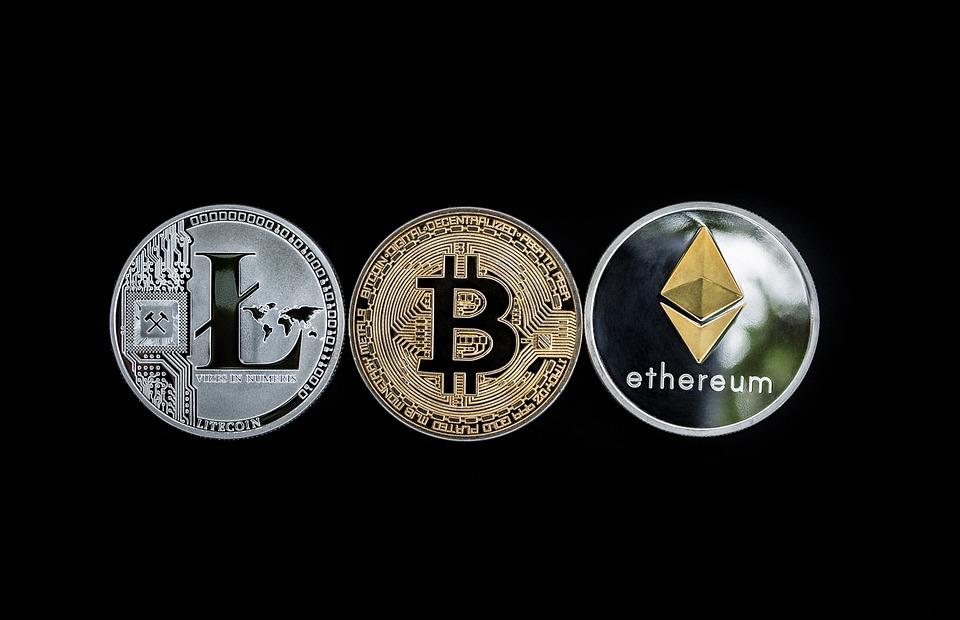
The rise of cryptocurrency has captured the imaginations and investment dollars of millions around the globe. As this nascent market continues to evolve, one of the most crucial decisions for potential investors is choosing the right broker for their cryptocurrency transactions. With numerous platforms available, understanding their differences and functions is essential for any serious investor.
Understanding Cryptocurrency Brokers
Cryptocurrency brokers are platforms that facilitate the buying and selling of cryptocurrencies. They function as intermediaries between buyers and sellers, providing users access to the market without needing to understand the intricacies of blockchain technology firsthand. Many brokers offer additional services, such as educational resources, market analysis, and portfolio management tools, which can be particularly beneficial for novice investors.
Types of Brokers
In the crypto space, brokers typically fall into several distinct categories:
- Centralized Brokers: These platforms manage users’ funds and execute trades on their behalf. They often provide a user-friendly experience and various services, making it easier for new investors to get started.
- Decentralized Exchanges (DEXs): DEXs allow users to trade directly with one another through an automated process. While these platforms offer greater privacy and security, they may lack the user-friendly design and support services found in centralized brokers.
- Peer-to-Peer (P2P) Marketplaces: P2P platforms connect buyers and sellers directly, enabling them to negotiate terms and prices. While they offer competitive rates, they can involve more risk due to the potential for scams.
Key Considerations When Choosing a Broker
When selecting a cryptocurrency broker, investors should thoroughly evaluate different aspects to ensure they align with their investment goals. Here are several key factors to consider:
1. Security Features
Given the frequency of hacks and fraud in the cryptocurrency world, security should be the top priority. Investors should look for platforms that offer robust security measures, such as:
- Two-factor authentication (2FA)
- Cold storage of funds
- Insurance against breaches
2. Fees and Commissions
Different brokers have varying fee structures, which can significantly impact overall returns. Some may charge a flat fee per trade, while others might take a percentage of the transaction amount. Additionally, be aware of withdrawal and deposit fees, which can also eat into profits.
3. User Experience
A user-friendly interface is crucial, especially for beginners. Brokers should offer intuitive navigation, clear instructions, and readily available resources. Alternatively, seasoned traders may prefer advanced tools and features that allow for technical analysis.
4. Asset Variety
Investors looking to diversify their portfolios should consider brokers that provide a wide range of cryptocurrencies beyond just Bitcoin and Ethereum. Quality brokers will regularly update their listings to include up-and-coming altcoins, offering more avenues for growth.
5. Customer Support
Reliable customer support can make all the difference during investment challenges or technical issues. Choose a broker that offers various support channels, including live chat, email, and phone support, with well-trained representatives who can assist promptly.
6. Regulatory Compliance
Trading with a licensed broker can protect investors from scams and unlawful practices. Before registering with a platform, research its regulatory status in your jurisdiction. Look for licenses from reputable regulatory bodies to ensure the broker complies with industry standards.
Popular Cryptocurrency Brokers
While many platforms exist, a few brokers have emerged as market leaders due to their comprehensive services and positive user reviews:
- Coinbase: Known for its user-friendly interface and strong security features, Coinbase is an excellent choice for beginners.
- Binance: As one of the largest exchanges globally, Binance offers a vast array of cryptocurrencies alongside low trading fees.
- Kraken: Reputed for its commitment to security and regulatory compliance, Kraken appeals to both novices and seasoned investors.
Conclusion
Navigating the cryptocurrency landscape can be daunting, especially for new investors. However, by carefully evaluating the available brokers and considering important factors such as security, fee structures, user experience, and regulatory status, investors can make informed decisions that align with their financial goals. As the crypto market continues to evolve, the right broker can empower investors to take advantage of new opportunities while ensuring their assets are secure.