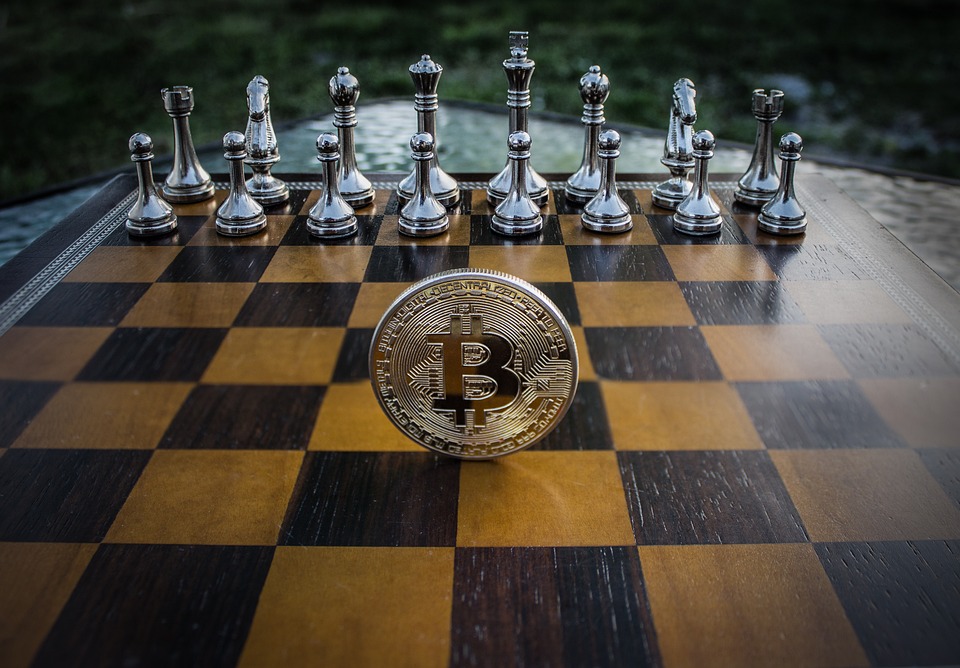
In recent years, the term “cryptocurrency” has dominated financial news, capturing the imagination of investors, tech enthusiasts, and the general public alike. Bitcoin, the first and most well-known cryptocurrency, has risen from obscurity to a market capitalization of over a trillion dollars, provoking questions about its potential to become the future of money. But what exactly is Bitcoin, and can it truly revolutionize the way we think about and use currency?
The Birth of Bitcoin
Bitcoin emerged in 2009, designed by an anonymous individual (or group) known as Satoshi Nakamoto. It was introduced as a response to the financial crisis, suggesting a decentralized digital currency that operates independently of central banks and governmental control.
Bitcoin transactions are verified by network nodes through cryptography and recorded on a public ledger known as the blockchain. This innovative technology ensures that transactions are secure, transparent, and accessible, laying the groundwork for a new financial paradigm.
What Makes Bitcoin Unique?
One of Bitcoin’s defining features is its limited supply. Only 21 million Bitcoins will ever be created, a cap that instills a sense of scarcity reminiscent of precious metals. This aspect, coupled with its decentralized nature, positions Bitcoin as a potentially inflation-resistant asset, unlike fiat currencies that can be printed at will by governments.
Bitcoin also operates on a peer-to-peer network, meaning transactions can occur directly between users without the need for intermediaries such as banks. This feature is especially appealing in regions with unstable financial systems, where individuals seek alternatives to government-issued currencies.
Bitcoin’s Role as an Investment
Over the last decade, Bitcoin has captured the attention of institutional investors, hedge funds, and corporations, further legitimizing its status as a viable investment vehicle. Companies like Tesla and MicroStrategy have added Bitcoin to their balance sheets, viewing it as a hedge against inflation and a way to diversify their portfolios.
However, Bitcoin’s price is notoriously volatile. Over the course of a few months, it can climb thousands of dollars only to crash sharply, leading many to question its stability as a long-term investment. Critics argue that this volatility undermines its viability as a currency and as a store of value.
The Case for Bitcoin as a Currency
Proponents of Bitcoin argue that it possesses the essential attributes of money: it’s a medium of exchange, a unit of account, and a store of value. More merchants are beginning to accept Bitcoin for transactions, from online retailers to brick-and-mortar establishments. For example, businesses like Overstock and Newegg have integrated Bitcoin payment options, indicating a growing acceptance.
Despite this growth, widespread adoption as a day-to-day currency faces challenges. Transaction speed and fees have posed problems. For instance, during peak times, Bitcoin transactions can take longer to confirm, and fees can soar, making it less practical for small, everyday purchases.
Challenges Ahead for Bitcoin
While Bitcoin’s potential is alluring, significant hurdles remain. Regulatory scrutiny has intensified globally, as governments seek to understand and regulate cryptocurrencies. Different countries have taken varied stances; some embrace it, while others impose strict bans. For instance, China has cracked down on cryptocurrency mining, citing environmental concerns and financial risks.
Moreover, environmental concerns over Bitcoin mining—particularly its energy-intensive proof-of-work consensus mechanism—have gained attention. Critics argue that the ecological footprint associated with mining operations undermines Bitcoin’s appeal as a sustainable alternative to traditional currencies.
The Future of Bitcoin
The future of Bitcoin and cryptocurrency as a whole is uncertain. Some believe Bitcoin will ultimately serve as a digital gold, a robust store of value rather than a transactional currency. Others envision a world where Bitcoin—or perhaps a different cryptocurrency—becomes a dominant form of money, reshaping the global financial landscape.
As technological innovations continue to evolve, scalability solutions such as the Lightning Network aim to address transaction speed and cost concerns, potentially making Bitcoin a more viable payment option.
Conclusion
Bitcoin stands at a crossroads; while its revolutionary nature has sparked a crypto craze, its future as the money of tomorrow remains in flux. As it grapples with volatility, regulatory challenges, and environmental concerns, the discussion surrounding Bitcoin is sure to evolve. For those keeping an eye on the horizon, one thing is clear: whether it becomes the currency of the future or remains an intriguing investment, Bitcoin will continue to play a pivotal role in the discussion about the future of finance.
As we venture further into the digital age, the conversation around Bitcoin serves as a lens through which we examine not only money but also trust, authority, and our evolving relationship with technology.