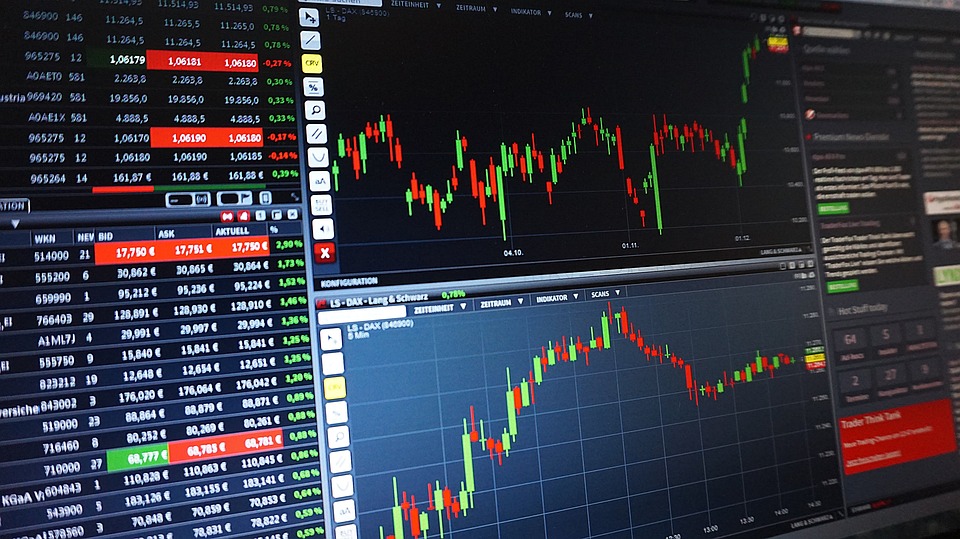
The cryptocurrency market has witnessed unprecedented growth over the last decade, attracting individuals and institutions alike. As more players enter the arena, the quest for efficient trading strategies has surged, leading to the rise of algorithmic trading. This feature delves into the latest developments in the world of algorithmic crypto markets, exploring the technological advances, regulatory challenges, and potential future trends that are shaping this volatile landscape.
The Rise of Algorithmic Trading in Crypto
Algorithmic trading, which relies on pre-programmed software to execute trades based on market conditions, has transformed traditional finance for years. In recent years, it has made inroads into the cryptocurrency sector, with trading bots becoming commonplace among both retail and institutional investors. As a result, platforms like Binance, Kraken, and Coinbase have integrated algorithmic trading features, allowing users to automate their strategies seamlessly.
According to a report by ResearchGate, nearly 70% of cryptocurrency trading volume is executed through various algorithmic trading strategies. This statistic highlights the significant role algorithms play, especially during periods of extreme market volatility, such as the infamous price swings of Bitcoin and Ethereum.
Machine Learning and Artificial Intelligence at Play
The advent of machine learning (ML) and artificial intelligence (AI) has been a game-changer for algorithmic trading in crypto markets. AI-driven algorithms can analyze massive datasets far beyond the capabilities of human traders, identifying patterns and trends that can inform trading decisions. Companies like Covalent and Dune Analytics are at the forefront of utilizing AI to enhance market predictions and trading strategies.
For instance, deep learning models can analyze sentiment from social media and news articles, providing traders with crucial insights into market sentiment—something traditional quantitative models often overlook. A recent study published in the Journal of Financial Stability found that ML-based predictions outperformed traditional methods in terms of forecasting price movements in cryptocurrencies.
Regulatory Framework: Navigating Turbulent Waters
While algorithmic trading presents numerous opportunities, it also poses regulatory challenges. Regulatory bodies across various jurisdictions are grappling with how to approach the fast-evolving world of cryptocurrency and its trading mechanisms. In the U.S., the Securities and Exchange Commission (SEC) and the Commodity Futures Trading Commission (CFTC) have emphasized the need for greater oversight and transparency in algorithmic trading practices.
Recent proposals have suggested the implementation of rigorous reporting requirements for algorithmic trades, particularly concerning high-frequency trading strategies that can significantly impact market dynamics. Industry think tanks argue that while oversight is crucial to prevent market manipulation and protect investors, excessive regulation may stifle innovation.
Decentralized Finance (DeFi) and the Impact on Algorithmic Trading
Decentralized Finance (DeFi) is another significant development in the cryptocurrency space that is reshaping the algorithmic trading landscape. DeFi platforms, which allow users to trade, lend, and borrow without intermediaries, present unique opportunities for algorithmic traders. Smart contracts facilitate automated execution and can be integrated with existing algorithms to create sophisticated trading strategies.
Projects such as Uniswap and Aave are examples of how traders can leverage DeFi to implement algorithmic strategies that capitalize on liquidity pools and arbitrage opportunities. The rise of DeFi could further democratize trading practices, allowing even small investors to deploy advanced algorithmic strategies that were previously reserved for hedge funds and institutional traders.
The Future: Navigating the Unpredictable Waters
As we navigate the unpredictable waters of cryptocurrency markets, the role of algorithmic trading will likely grow even more prominent. Industry experts predict an increasing convergence of traditional finance with crypto markets, leading to more sophisticated trading infrastructures that utilize advanced technologies like AI and blockchain analytics.
Moreover, the growing interest in ESG (Environmental, Social, and Governance) investing is beginning to influence algorithmic trading strategies. Traders are increasingly designing algorithms that incorporate ESG factors, reflecting a broader trend among investors seeking not only profit but also a positive social impact.
Conclusion: Riding the Wave of Change
In a landscape as dynamic as the cryptocurrency market, algorithmic trading offers both opportunities and challenges. As technology evolves and regulatory frameworks adapt, the strategies and tools that traders leverage will continue to transform. Whether one is a seasoned trader or a newcomer, understanding these developments is crucial for navigating the complexities of crypto markets.
In the end, riding the wave of algorithmic trading in crypto means embracing change while preparing for the unpredictable nature of market dynamics. As we look ahead, the future promises to be an exciting ride, fuelled by technological innovation and an ever-expanding horizon of possibilities.