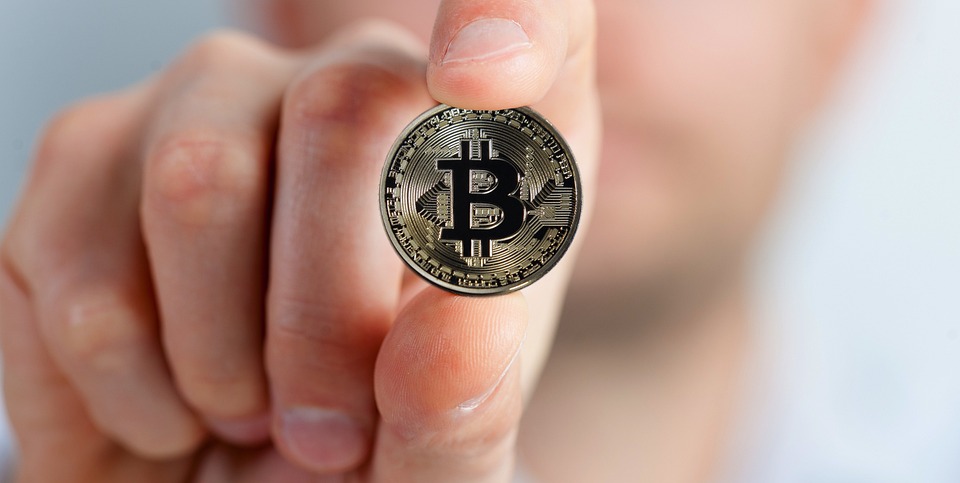
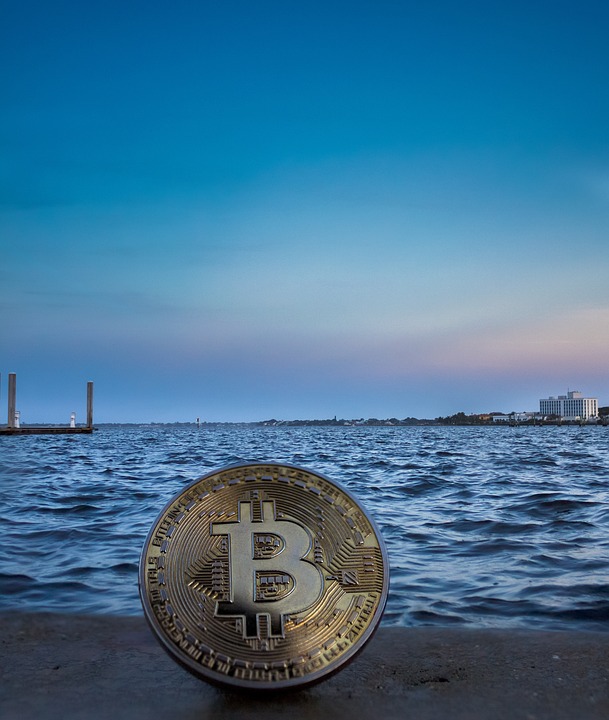
The cryptocurrency market, with its relentless dynamism and volatility, has become a focal point for both seasoned investors and newcomers alike. As we delve into 2023, the landscape of digital assets is shaped by evolving technologies, regulatory frameworks, and shifting public sentiment. This article explores the latest trends and insights emerging from the crypto sphere, offering a comprehensive view of market movements and what they mean for the future.
1. Institutional Adoption: A Game Changer
One of the most significant trends in recent years has been the increasing participation of institutional investors in the cryptocurrency market. According to a report by Fidelity Digital Assets, nearly 80% of institutional investors are interested in crypto assets as part of their investment portfolio. This surge in institutional participation is driven by several factors:
- Diversification: Institutions are seeking ways to diversify their portfolios beyond traditional assets.
- Hedge against inflation: With rising inflation rates worldwide, cryptocurrencies like Bitcoin are increasingly viewed as a hedge.
- Improved infrastructure: The development of regulated custodial services and trading platforms has made it easier for institutions to enter the market.
Notable firms, including Tesla and MicroStrategy, have made headlines by accumulating significant amounts of Bitcoin, further legitimizing the asset class. As more institutional players enter the fray, market stability and maturity are expected to follow.
2. Regulatory Landscape: The Double-Edged Sword
As cryptocurrencies gain popularity, the regulatory environment is evolving rapidly. Governments worldwide are grappling with the implications of digital currencies, leading to diverse regulatory responses. For instance, while countries like El Salvador have adopted Bitcoin as legal tender, others, like China, have cracked down on cryptocurrency activities.
In the United States, the Securities and Exchange Commission (SEC) has been keen on establishing clearer guidelines for crypto assets. Efforts to regulate decentralized finance (DeFi) and stablecoins are currently focal points of discussion among lawmakers. The balancing act between fostering innovation and providing consumer protection remains a critical challenge.
3. DeFi and NFTs: Disrupting Traditional Models
Decentralized finance (DeFi) and non-fungible tokens (NFTs) have emerged as transformative forces within the crypto realm. DeFi platforms, such as Uniswap and Aave, enable users to lend, borrow, and trade without intermediaries, fundamentally altering traditional banking models. A report from DeFi Pulse noted that total value locked in DeFi protocols has surpassed $100 billion, showcasing its growing prominence.
NFTs, on the other hand, have taken the art and entertainment industries by storm. With digital assets sold for millions at auctions, the appeal of owning unique digital goods has captured both collectors and artists. According to NonFungible.com, the NFT market generated approximately $24 billion in sales volume in 2021 alone.
4. Technological Developments: The Future Is Bright
The technological groundwork of cryptocurrencies is continuously evolving, leading to innovations that enhance security, scalability, and user experience. Blockchain technology’s transparent and decentralized nature is being embraced across various sectors, from finance to supply chain management.
Ethereum 2.0, for example, aims to address scalability issues through the transition to a proof-of-stake consensus mechanism. This upgrade not only promises faster transactions but also significantly reduces Ethereum’s energy consumption—a crucial factor for environmentally conscious investors.
Furthermore, Layer 2 solutions, like the Lightning Network and Polygon, are gaining traction by providing faster and cheaper transactions on existing blockchains. As these developments unfold, the usability of cryptocurrencies in daily transactions is expected to improve substantially.
5. Market Sentiment and Behavioral Trends
Understanding market sentiment is crucial for navigating the volatile cryptocurrency landscape. Recent studies indicate that social media platforms are playing an increasingly significant role in shaping public perception and investment behaviors. Platforms like Twitter and Reddit have become hotspots for discussions around price movements and trends.
The “FOMO” (fear of missing out) mentality continues to drive significant price surges, often leading to volatile market swings. Behavioral finance principles suggest that traders’ emotional responses can impact market dynamics, leading to cycles of euphoria and panic. Tools that analyze social media sentiment and on-chain data are becoming popular among traders looking to predict market trends.
Conclusion: A New Era for Crypto Investments
As we look ahead, the cryptocurrency market stands at a crossroads, witnessing unprecedented growth and transformation. Institutional adoption signals a new era of legitimacy, while regulatory developments will shape the framework within which these digital assets operate. Furthermore, technological advancements and evolving consumer behaviors continue to disrupt traditional financial models.
For investors and enthusiasts, staying informed about these trends is essential for navigating this exciting yet unpredictable terrain. As the crypto sphere evolves, the potential for innovation and profits remains vast—making it a space worth watching closely.