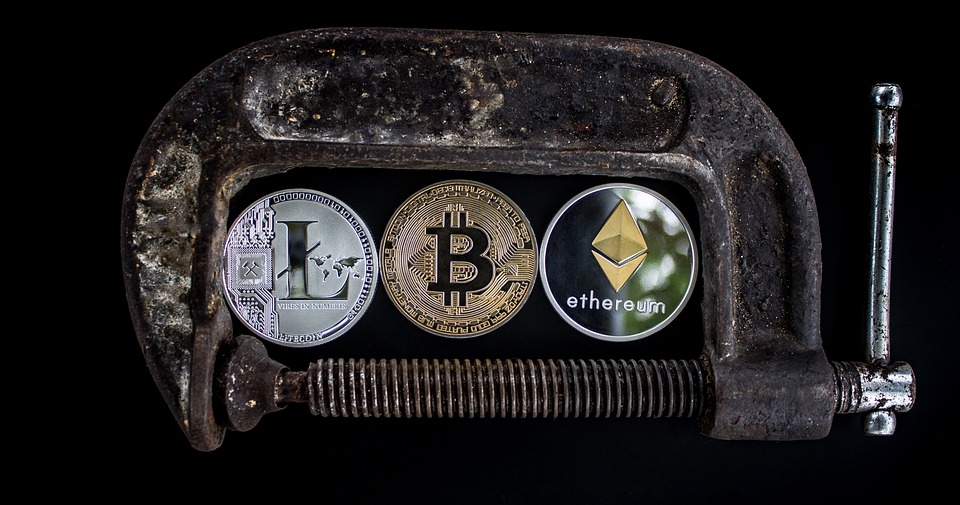
Ethereum, one of the most significant cryptocurrencies in the world, has undergone transformative changes since its inception in 2015. Among these changes is the introduction of the Ethereum Improvement Proposal (EIP) 1559, which was implemented in August 2021 as a part of the London hard fork. This pivotal adjustment changed how transaction fees work on the Ethereum network and has introduced the concept of a burn rate. Understanding Ethereum’s burn rate is vital for grasping its potential impact on supply mechanics and value.
The Mechanism of EIP-1559
The EIP-1559 protocol established a dual fee structure that introduced a base fee, which adjusts dynamically based on network demand, and a tip paid to miners. The revolutionary aspect of this update is that the base fee is burned—effectively removing Ethereum from circulation. By doing this, EIP-1559 aimed to stabilize transaction fees and create a deflationary aspect to Ethereum’s economy.
Understanding Burn Rate
The burn rate refers to the amount of Ethereum that is permanently removed from circulation. This process has a dual impact: it reduces supply while possibly increasing demand, as the scarcity of Ethereum becomes more pronounced. In many ways, Ethereum’s deflationary mechanics function similarly to what is observed in Bitcoin, albeit under different operational frameworks.
As of early 2023, the Ethereum network has been burning over 2 ETH per minute on average, translating to roughly 3.3 million ETH annually. Such a burn rate introduces vital dynamics in its economic model that can influence investor sentiment and market valuations.
Impact on Supply and Demand
The economics of supply and demand are fundamentally intertwined with the burn rate. Traditional economic principles dictate that if supply decreases while demand remains steady or increases, the value of the asset generally rises. As Ethereum’s burn rate persistently reduces the supply of ETH, the potential for price appreciation becomes more likely, particularly if broader adoption continues.
Market analysts have observed that as transaction volumes grow, so does the burn rate. Increased usage of decentralized finance (DeFi) applications, non-fungible tokens (NFTs), and various other applications on Ethereum’s blockchain contribute significantly to network activity, thereby amplifying the burning of ETH. This chain reaction could lead to a deflationary environment, a scenario that Ethereum advocates laud as a boon for existing holders.
Market Reaction and Speculation
Since the implementation of EIP-1559, the market has shown a direct response to the burn rate. Periods of high burn rates have frequently coincided with price rallies. In 2021, for instance, Ethereum experienced a notable increase in price as the burn rate surged alongside heightened DeFi and NFT activities.
This correlation underscores the speculative nature of cryptocurrencies, with many investors closely monitoring ETH’s burn rate alongside market conditions. In many ways, the burn rate has itself become a metric for speculative trading, where investors anticipate price movements based on supply dynamics that are driven by the burn mechanism.
Challenges and Considerations
However, the burn rate is not a panacea for Ethereum’s value. Several challenges persist that could hinder the long-term viability of a purely deflationary model. The Ethereum network faces issues regarding scalability, energy consumption, and competition from emerging blockchains that also offer smart contract functionality.
Moreover, the impact of external macroeconomic factors cannot be understated. Rates of inflation, regulatory news, and shifts in global financial markets can affect both investor sentiment and Ethereum’s ecosystem functionality—sometimes overshadowing the influence of the burn rate. Thus, while the burn rate offers attractive dynamics, it is essential to consider the broader blockchain environment and macroeconomic sentiments.
The Future of Ethereum and Its Value
In summary, the Ethereum burn rate represents a unique innovation that reshapes the supply mechanics of the cryptocurrency. As ETH continues to be burned at a significant scale, one can anticipate complex interplays between scarcity and market demand, which could lead to sustained price appreciation in the long run. However, potential investors must be mindful of broader economic factors, competition, and scalability challenges facing Ethereum itself.
Ultimately, as Ethereum continues to evolve, keeping a close eye on its burn rate will be essential for both investors and enthusiasts. The implications are clear: a higher burn rate could lead to diminished supply, potentially driving value higher in the ever-evolving landscape of cryptocurrency.
As more users engage with the Ethereum platform and its applications, the burn rate will remain a crucial component in understanding the future of Ethereum’s economy and its broader implications for the cryptocurrency market.