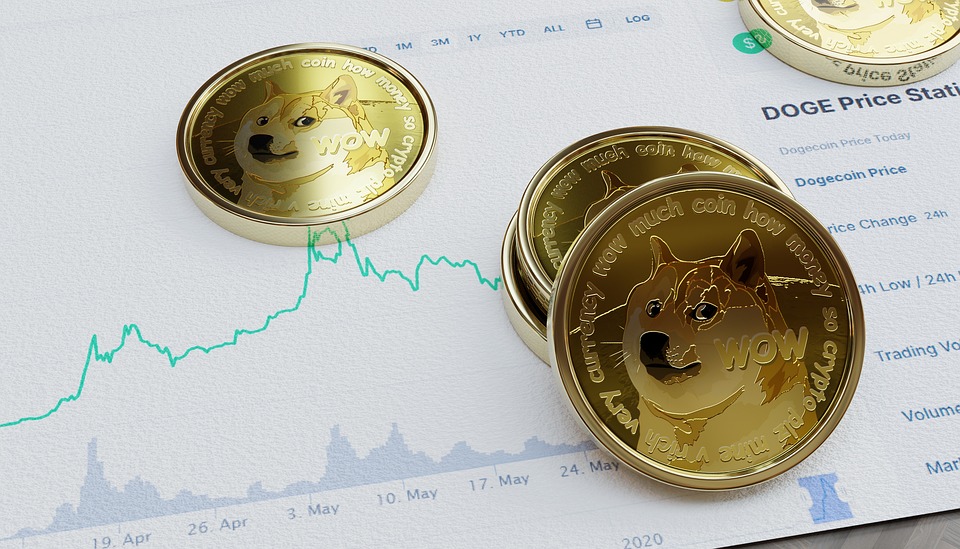
The cryptocurrency market is notoriously volatile, characterized by sudden, sharp surges in value and equally dramatic declines. As of the latter half of 2023, the market faces its most pronounced downtrend in recent memory. This article explores the nuances of the current decline, the factors fueling it, and what the future may hold for cryptocurrencies.
Understanding the Downtrend
The cryptocurrency market’s recent downturn has left many investors reeling. Bitcoin, the industry bellwether, has been especially affected, shedding nearly 50% of its value since its peak in late 2021. Ethereum and other altcoins have followed suit, further intensifying the sense of despair among investors.
Key Drivers of the Decline
Economic Factors
A significant contributor to the current crypto downtrend is the wider economic landscape. Rising interest rates and increasing inflation have prompted a shift in investor sentiment across multiple asset classes. When traditional markets falter, cryptocurrencies are often perceived as riskier investments. Thus, as central banks tighten monetary policies to combat inflation, capital flows out of riskier assets like cryptocurrencies.
Regulatory Concerns
Regulation and governance remain looming specters in the cryptocurrency space. In 2023, several countries have intensified their scrutiny of cryptocurrency exchanges and practices. For instance, the U.S. Securities and Exchange Commission (SEC) has ramped up investigations into whether some cryptocurrencies should be classified as securities. This regulatory uncertainty instills fear among investors and leads to market sell-offs.
Technological Setbacks
Technological challenges also play a crucial role in the market’s downturn. Issues like network congestion, slow transaction times, and high fees have plagued both Bitcoin and Ethereum. The transition of Ethereum to a Proof-of-Stake (PoS) model was intended to address scalability, but the integration has faced hurdles, leading to skepticism about the network’s future viability.
“The cryptocurrency market is largely driven by speculation, and when investors lose confidence, it can lead to a rapid downward spiral.”
Market Sentiment and Investor Behavior
Investor psychology is a significant factor in the crypto market’s fluctuations. The well-documented phenomena of FOMO (fear of missing out) and FUD (fear, uncertainty, and doubt) can lead to irrational buying and selling. As prices plummeted, many investors panicked and pulled their investments, often exacerbating the decline. According to recent surveys, many retail investors are exiting the market, with around 60% expressing that they will not re-enter until stability returns.
The Role of Media and Misinformation
The media’s portrayal of cryptocurrencies also affects market sentiment. Sensational headlines regarding hacks, scams, and regulatory crackdowns can easily sway public opinion. Misinformation spreads rapidly, leading to fear-driven decisions among investors. For instance, a single tweet or a news report can trigger sell-offs that instigate broader market trends.
Possible Paths Forward
Technological Innovations
While the current downtrend is daunting, it has galvanized the tech community to innovate. Layer 2 solutions like Lightning Network for Bitcoin and various Ethereum scaling solutions aim to tackle existing bottlenecks and enhance transaction efficiency. Moreover, decentralized finance (DeFi) platforms continue to evolve, potentially opening new avenues for investment and income generation.
Regulatory Clarity
Although regulations currently pose challenges, clearer guidelines could eventually bring stability and confidence back to the market. Many industry players see potential in established regulatory frameworks that protect investors while encouraging innovation. Countries that embrace a balanced regulatory approach may see their crypto ecosystems thrive.
Conclusion: Navigating the Abyss
As the cryptocurrency market grapples with its current downturn, the path forward remains uncertain. Investors need to assess their risk tolerance and long-term strategies carefully. While the market is currently in turmoil, history shows that downturns are part of the cyclical nature of investing. The cryptocurrencies that survive this current abyss may emerge more robust and resilient, shaped by the challenges they faced.
In the world of cryptocurrencies, nothing is ever truly certain. But one thing is clear: understanding the forces at play is crucial for anyone looking to navigate this tumultuous landscape.