As the world of cryptocurrency continues to expand at a breathtaking pace, so does the complexity of investing in this volatile market. For beginners, one of the most intimidating aspects of trading is deciphering crypto trading charts. This article aims to demystify these charts and provide essential insights on understanding market trends, arming you with the knowledge to make informed trading decisions.
What Are Crypto Trading Charts?
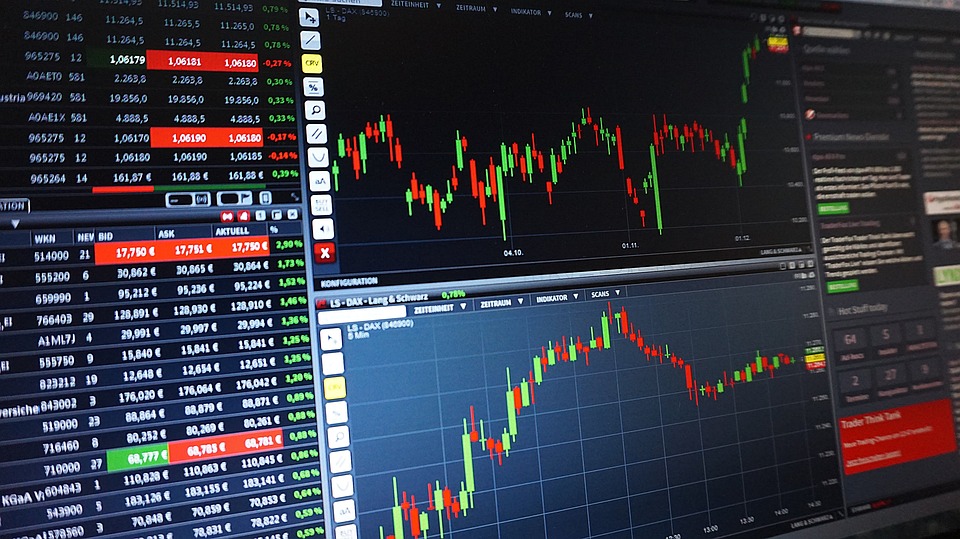
At its core, a crypto trading chart is a graphical representation of the price movements of a specific cryptocurrency over a given period. These charts provide traders with a visual understanding of price trends, allowing them to identify potential trading opportunities. The most common types of charts used in cryptocurrency trading are:
- Line Charts: These are the simplest form of charts, displaying the closing prices of an asset connected by a continuous line.
- Bar Charts: These charts show the open, high, low, and close prices for a specified period, offering a more comprehensive view of market behavior.
- Candlestick Charts: One of the most popular chart types, candlestick charts provide detailed information about price movements within a defined time frame, displaying the open, high, low, and close values.
Why Use Trading Charts?
Trading charts are essential for several reasons:
- Price Trends: Charts allow traders to visualize historical price trends, enabling them to make predictions about future movements.
- Market Sentiment: By analyzing charts, traders gain insights into market sentiment — whether others are bullish or bearish on a particular asset.
- Entry and Exit Points: Charts help in identifying optimal entry and exit points based on price movements and trading patterns.
Analyzing Market Trends
Understanding market trends is crucial for effective trading. There are three main types of market trends:
- Uptrend: Characterized by a series of higher highs and higher lows, suggesting that the price is likely to continue increasing. A trader might look for buying opportunities during an uptrend.
- Downtrend: Marked by lower highs and lower lows, indicating a declining price. This may prompt traders to consider selling or shorting the asset.
- Sideways Trend: When the price moves within a horizontal channel, it suggests consolidation. Traders often look for breakout opportunities during this phase.
Key Indicators to Consider
In addition to observing price movements, traders utilize various indicators to enhance their analysis. Here are some essential indicators:
1. Moving Averages
Moving averages smooth out price data to create a trend-following indicator. The Simple Moving Average (SMA) calculates the average price over a certain period, while the Exponential Moving Average (EMA) gives more weight to recent prices.
2. Relative Strength Index (RSI)
The RSI measures the speed and change of price movements, indicating whether an asset is overbought or oversold on a scale from 0 to 100. An RSI above 70 suggests overbought conditions, while an RSI below 30 may indicate oversold conditions.
3. MACD (Moving Average Convergence Divergence)
MACD is a trend-following momentum indicator that shows the relationship between two moving averages. The convergence or divergence of these moving averages can signal potential buying or selling opportunities.
Recognizing Chart Patterns
Chart patterns play a crucial role in predicting future price movements. Here are some common patterns to watch for:
1. Head and Shoulders
This pattern signals a reversal trend. The “head” is a peak between two “shoulders.” An upward trend preceding this pattern suggests that a downtrend may follow.
2. Double Tops and Bottoms
These patterns indicate potential reversals, with a double top suggesting a bearish reversal and a double bottom suggesting a bullish reversal. Traders often look for confirmation before acting.
3. Flags and Pennants
These are continuation patterns that appear after a strong price movement. Flags resemble rectangles, while pennants are small symmetrical triangles. Both signify that the existing trend is likely to resume.
Practice Makes Perfect
Decoding crypto trading charts requires practice. Many platforms offer demo accounts where beginners can practice trading without the risk of losing real money. Take time to familiarize yourself with different chart types and indicators. Over time, you’ll develop your unique trading strategy.
Final Thoughts
Understanding crypto trading charts is fundamental for any aspiring trader. By grasping the basics of chart analysis, market trends, and key indicators, you’ll be better equipped to navigate the crypto landscape. Remember to combine your technical analysis with a solid understanding of fundamental factors affecting the cryptocurrency market. With patience and practice, you’ll unlock the potential of trading, harnessing the power of data to boost your investment journey.