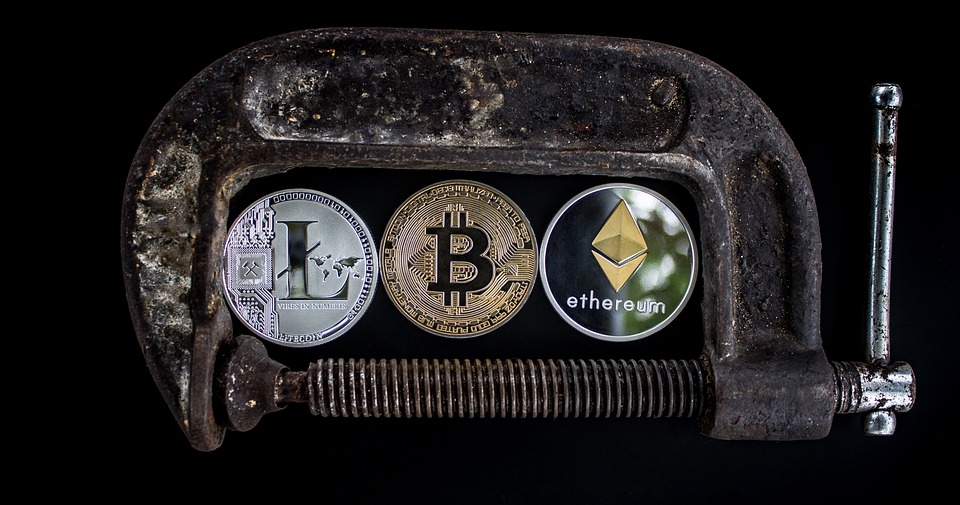
In a rapidly evolving financial landscape, cryptocurrency stands as a testament to innovation—a digital revolution aimed at upending traditional banking systems. With its decentralized nature, facilitated by blockchain technology, crypto presents both a challenge and an opportunity to reshape our understanding of money, transactions, and trust.
The Rise of Cryptocurrency
Since the launch of Bitcoin in 2009, the cryptocurrency market has exploded, with thousands of alternative coins entering the arena. Bitcoin, Ethereum, Ripple, and other digital currencies have gained immense traction and credibility, attracting both individual investors and institutional players. According to data from CoinMarketCap, the total market capitalization of cryptocurrencies exceeded $2 trillion in 2021, reflecting a surge that caught the attention of financial experts and the global population alike.
Proponents of cryptocurrency argue that it offers a decentralized alternative to traditional banking that is accessible to everyone. Traditional banking, by contrast, often involves significant fees, lengthy transaction times, and restrictions based on geography and creditworthiness. Here lies the core appeal of cryptocurrency: the promise of financial inclusion and empowerment.
The Advantages of Decentralization
One of the primary advantages of cryptocurrencies is their characteristic decentralization. Unlike traditional financial systems that rely on central authorities such as banks and governments, cryptocurrencies operate on a peer-to-peer network. This leads to a myriad of benefits:
- Lower Fees: Transaction fees on blockchain can be significantly lower than those of banks, making it cheaper for users to send or receive money.
- Speed: Transactions can occur in real-time, as opposed to the delays that can be experienced in traditional banking.
- Accessibility: Individuals without bank accounts can still engage in cryptocurrency transactions, granting them financial independence.
The elimination of intermediaries in financial transactions can also lead to enhanced security and transparency. Every transaction on a blockchain is recorded on a public ledger, minimizing fraud and unauthorized access.
Expert Opinions
Leading financial thinkers are beginning to take cryptocurrency seriously, arguing that its disruptive potential is undeniable. Dr. Jane Thomason, a well-respected blockchain expert, states, “Cryptocurrency is not just a trend; it’s a paradigm shift. We’re witnessing the democratization of financial services.”
Conversely, skeptics raise valid concerns about the volatility of cryptocurrencies and their regulatory challenges. According to Andrew Haldane, former Chief Economist at the Bank of England, “The wild fluctuations in cryptocurrency values put them far away from being a stable means of exchange.” However, many advocates argue that fluctuations are part of the maturation process and that greater adoption will stabilize digital currencies over time.
Case Examples: Crypto in Action
Real-world applications of cryptocurrencies are emerging, providing a glimpse into their potential impact on everyday banking. For example, the rise of decentralized finance (DeFi) platforms offers individuals the opportunity to lend, borrow, and earn interest on assets without needing a bank. Metrics indicate that DeFi platforms surpassed $80 billion in total value locked in 2021, reflecting growing trust in these alternatives.
In nations experiencing hyperinflation, such as Venezuela or Zimbabwe, citizens have turned to cryptocurrencies as a means of preserving their wealth. Bitcoin and stablecoins provide a beacon of hope in regions where traditional currencies have failed. A survey conducted by a crypto advocacy group revealed that more than 60% of Venezuelans holding cryptocurrency do so to counteract economic instability.
The Future of Banking
As cryptocurrencies gain traction, the traditional banking system is not standing still. Many banks are beginning to explore partnerships with blockchain companies and integrating digital assets into their offerings. JP Morgan, the largest bank in the U.S., has launched its own digital currency, JPM Coin, aimed at facilitating instantaneous transfers.
However, the question remains: can traditional banks coexist with cryptocurrencies, or will they be disrupted entirely? Experts like Dr. Thomason suggest a hybrid model as the most likely outcome. “We may see financial institutions evolving to incorporate blockchain technologies while still adhering to regulatory frameworks—creating a more robust financial ecosystem.”
Conclusion
The discourse surrounding the potential disruption of traditional banking by cryptocurrency is far from settled. As innovations in technology continue to evolve, the lines between traditional finance and digital currencies may blur. While concerns remain, the exciting promise of decentralization, financial inclusion, and greater accessibility keeps the debate alive.
In this ever-changing landscape, one thing is clear: cryptocurrency’s role in our financial systems will continue to grow, and those who are willing to adapt may find themselves on the cutting edge of a new financial revolution.