The cryptocurrency landscape is vast, dynamic, and often daunting, particularly for newcomers. Yet, the allure of potential financial gain and technological innovation continues to draw in enthusiastic traders. This guide serves as your stepping stone into the world of cryptocurrency trading, taking you through the essential concepts, tools, and strategies necessary for success.
What Is Cryptocurrency?
At its core, cryptocurrency is a digital or virtual currency that uses cryptography for security. This makes it nearly impossible to counterfeit or double-spend. Most cryptocurrencies operate on a technology called blockchain—a decentralized technology spread across many computers that manage and record transactions.
The Basics of Cryptocurrency Trading
The essence of cryptocurrency trading revolves around buying and selling digital currencies. As with any investment, the goal is to buy low and sell high, profiting from the fluctuations in price. Key components in trading include:
- Market Orders: Buying or selling a cryptocurrency at the current market price.
- Limit Orders: Setting a specific price at which you want to buy or sell.
- Stop-Loss Orders: Automatically selling a cryptocurrency when it reaches a certain price to limit potential losses.
Choosing a Cryptocurrency Exchange
Before you can start trading, you’ll need to pick a cryptocurrency exchange. Several factors should influence your decision:
- Security: Look for exchanges with strong security measures, such as two-factor authentication and cold storage of funds.
- Fees: Exchanges often charge fees for transactions, deposits, and withdrawals. Choose one that aligns with your trading volume.
- Supported Coins: Ensure the exchange offers access to the cryptocurrencies you’re interested in trading.
- User Interface: A user-friendly interface can simplify the trading process for beginners.
Some popular exchanges include Binance, Coinbase, and Kraken, each with its unique offerings and fee structures.
Setting Up Your Wallet
Once you have an exchange set up, you will need a wallet to store your cryptocurrencies. Wallets come in different forms:
- Hardware Wallets: Physical devices that store your cryptocurrencies offline, providing enhanced security. Examples include Trezor and Ledger.
- Software Wallets: Applications or software that store your cryptocurrencies online. These are more convenient but less secure.
- Paper Wallets: A physical copy of your public and private keys. It’s a secure method but can be lost or damaged.
It’s crucial to understand that where you store your cryptocurrencies significantly impacts their security.
Understanding Market Analysis
To navigate the complexities of cryptocurrency trading, you’ll need to understand market analysis, which can be broadly categorized into two main types: technical analysis and fundamental analysis.
Technical Analysis
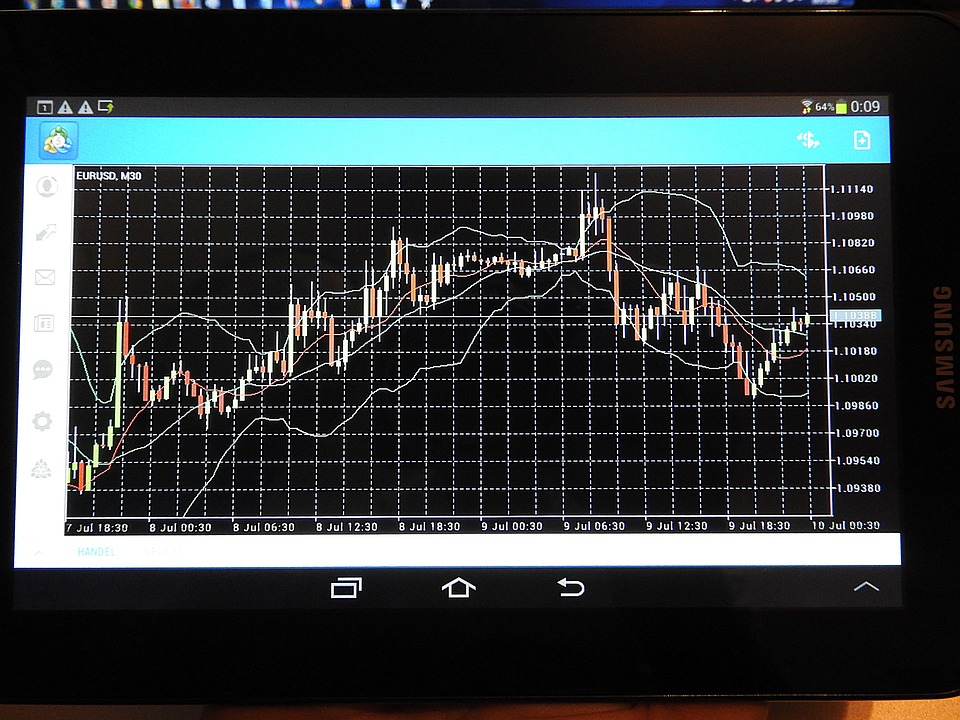
Technical analysis relies on historical price movements and trading volumes to forecast future price changes. Traders use various tools, such as:
- Charts: Visual representations of price movements over time.
- Indicators: Mathematical calculations based on price and volume, such as Moving Averages or RSI (Relative Strength Index).
Fundamental Analysis
Fundamental analysis looks at the underlying factors influencing a cryptocurrency’s value, including technological developments, regulatory news, and market sentiment. Key aspects to consider include:
- Project whitepapers
- Team and community involvement
- Partnerships and use cases
Risk Management Strategies
Trading in cryptocurrency can be highly risky, and it is vital to adopt sound risk management strategies to mitigate potential losses. Here are a few fundamental practices:
- Diversification: Don’t put all your eggs in one basket. Investing in multiple cryptocurrencies can spread risk.
- Capital Allocation: Only invest a small percentage of your total capital in any single trade.
- Regular Review: Periodically assess and adjust your portfolio according to market changes and investment goals.
Staying Informed
The fastest-paced market is fraught with information overload. Keeping abreast of the latest developments is essential to making informed trading decisions. Reliable sources of information include:
- Crypto-specific news sites like CoinDesk and CoinTelegraph
- Professional analyses on platforms like TradingView
- Forums and community platforms like Reddit and Discord
Conclusion
As you embark on your cryptocurrency trading journey, remember that this environment is not only an economic frontier but also a playground of innovation. By equipping yourself with the fundamentals of cryptocurrency and adhering to proper risk management strategies, you can navigate this exciting landscape with confidence. Whether you aim to invest for the long-term or trade for short-term gains, patience and knowledge will be your greatest allies in this rapidly evolving frontier.