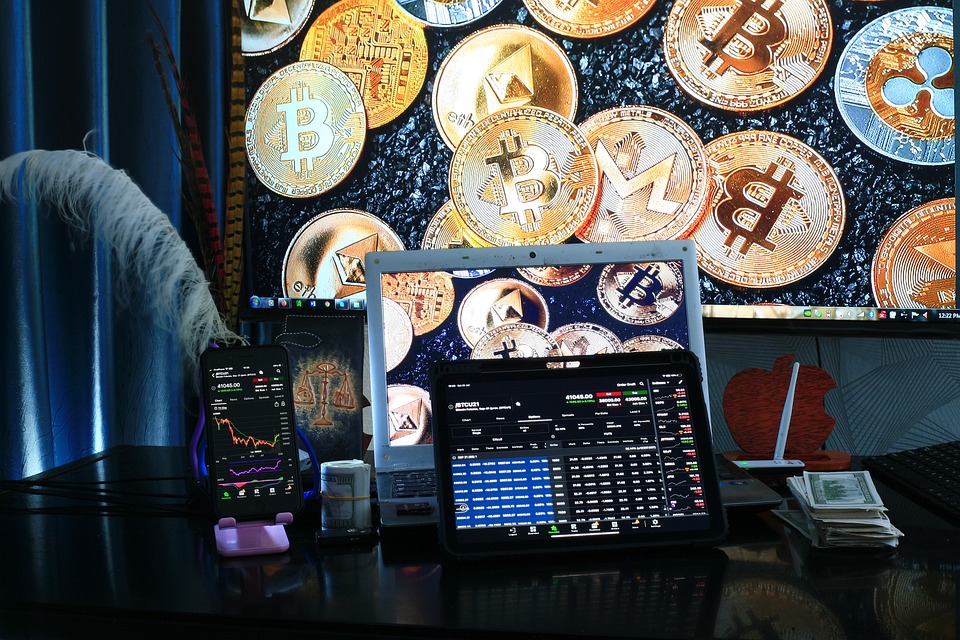
Bitcoin, the world’s first decentralized digital currency, has been the subject of speculative interest and intense debate since its inception in 2009. Defined by its volatility and capacity for rapid price movements, Bitcoin continues to capture the attention of both mainstream investors and daily traders. As we navigate through the latest market fluctuations in 2023, understanding the underlying factors at play is crucial for anyone engaging with this pioneering cryptocurrency.
The Current Landscape
As of October 2023, Bitcoin’s price has seen considerable swings. Melding predictions and trends, recent movements have seen Bitcoin trading between $25,000 and $35,000, paralleling large-scale institutional interest and evolving regulatory landscapes. The market is currently experiencing a range of dynamics, from macroeconomic trends to investor sentiment fueled by social media hype.
Recent Market Trends
Between mid-2022 and late 2023, Bitcoin experienced a considerable downtrend that mirrored broader economic conditions, including high inflation rates and tightening monetary policies from central banks. However, the latter half of 2023 has seen a resurgence as Bitcoin briefly rallied to surpass the $30,000 mark, directly influenced by multiple factors.
Institutional Interest and Investment
One of the most significant drivers of Bitcoin’s recent movements has been the growing acceptance of cryptocurrency among institutional investors. Major financial institutions, including Fidelity and BlackRock, have stepped into the cryptocurrency arena, offering Bitcoin investment products. This has lent a level of credibility and stability to the market. The entry of traditional finance giants is not just a trend; it’s a shift towards mainstream adoption. Institutional interest is often seen as a bullish indicator, as these players typically invest substantial amounts, thus influencing market dynamics considerably.
The ETF Phenomenon
One of the most anticipated developments in the cryptocurrency space has been the approval of Bitcoin Exchange-Traded Funds (ETFs). As of late 2023, several ETFs focusing on Bitcoin-related assets have gained regulatory approval in various jurisdictions. These platforms allow retail and institutional investors to gain exposure to Bitcoin without having to directly purchase the underlying asset, dramatically increasing accessibility and potentially boosting demand.
The Regulatory Framework
Regulatory developments also play a crucial role in the dynamics of Bitcoin’s market movements. In the United States, the evolving stance of the Securities and Exchange Commission (SEC) has been both a challenge and a pivotal factor for cryptocurrency’s growing legitimacy. Recent regulatory clarity has helped alleviate investor concerns, facilitating increased participation in the market.
Internationally, countries are grappling with how to handle cryptocurrencies. Some, like El Salvador, have embraced Bitcoin as legal tender, while others remain skeptical, enforcing strict regulations. This fragmented global approach creates an unpredictable environment for Bitcoin, affecting its value swiftly. Nevertheless, proactive regulations can lead to increased investor certainty, inviting new capital into the market.
The Role of Social Media and Sentiment
In the age of digital communication, social media platforms such as Twitter and Reddit play an influential role in shaping public sentiments and market trends. Speculative trading, especially among retail investors, has surged when communities rally around memes or news. Notable events, such as celebrity endorsements or significant public statements regarding Bitcoin, have demonstrated the outsized impact social media can have on price movements. For instance, significant price spikes often coincide with trends on platforms like TikTok or Reddit threads dedicated to discussions about cryptocurrencies.
Macroeconomic Factors
Global economic conditions also impact Bitcoin’s price trajectory. As inflation pressures mount and global economies adjust to the post-pandemic era, Bitcoin’s role as a hedge against inflation has regained credibility. Many investors view Bitcoin as ‘digital gold’ that can retain value when traditional currencies are threatened by inflation or economic instability.
Moreover, recent shifts in interest rates by central banks have created an influx of liquidity into the market. Lower interest rates usually make riskier assets like Bitcoin more attractive, as investors search for higher returns. The liquidity-driven demand has often led to bullish market patterns, propelling Bitcoin prices upward.
Technical Analysis and Price Predictions
As Bitcoin remains a highly dynamic asset, technical analysis becomes paramount. Tools such as moving averages, RSI (Relative Strength Index), and volume indicators help traders anticipate possible future movements. Some analysts argue that the recent breakout past $30,000 suggests a bullish trend, while others caution that overbought conditions might lead to corrections.
Forecasting Bitcoin’s trajectory remains an inexact science. Predictions can range from cautious optimism about a reach towards $50,000 in the next year to more conservative estimates warning of potential downturns. However, as seen historically, Bitcoin’s volatility can yield significant rewards and risks alike.
Conclusion
The latest market movements of Bitcoin reflect a confluence of institutional interest, regulatory advancements, and broader economic indicators. As Bitcoin carves its place in the financial landscape, both individual and institutional investors must remain vigilant and informed. The road ahead for Bitcoin is laden with both opportunities and challenges, making it essential for participants in this market to engage with meticulous research and a keen understanding of the forces at play. Its evolution continues to be fascinating, resonating through trepidation and excitement alike.