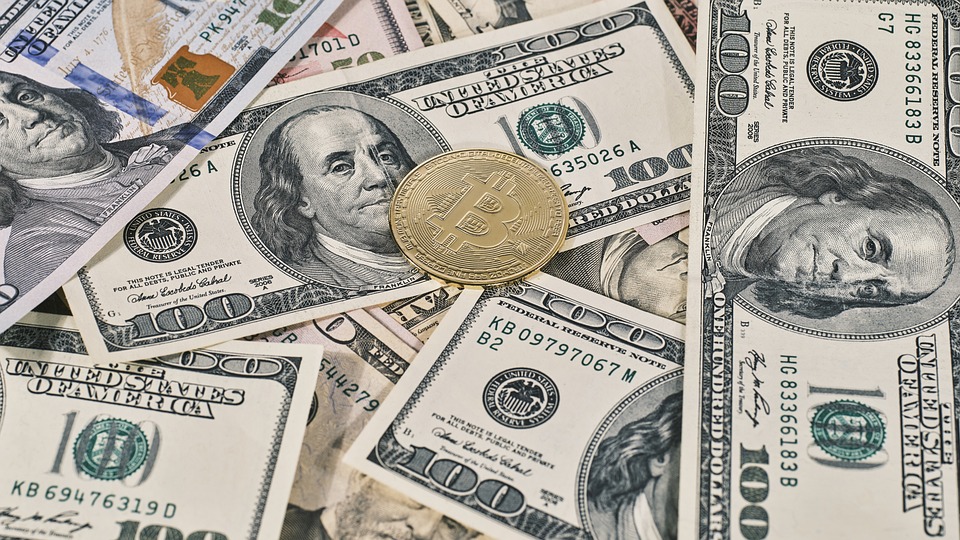
The Rise of Bitcoin: Understanding Its Latest Surge
Bitcoin, the pioneering cryptocurrency that burst onto the financial scene in 2009, has recently experienced a remarkable ascension in its value. From a low of around $3,000 in March 2020, Bitcoin’s value soared to an all-time high of over $60,000 in early 2021, drawing serious attention from both retail and institutional investors. But what does this meteoric rise mean for investors?
The Current Landscape of Bitcoin Investment
As of late 2023, Bitcoin’s value has stabilized around $40,000 to $50,000. This volatility, while characteristic of cryptocurrencies, raises important questions regarding risk and opportunity for investors. Some experts argue that Bitcoin’s price might stabilize as it becomes more widely adopted, while others caution that such assets remain highly speculative.
Skeptics often refer to Bitcoin’s extreme volatility as a red flag. For instance, in 2017, Bitcoin skyrocketed to nearly $20,000 only to plummet to just $3,000 a year later. However, many analysts believe that current levels of adoption and institutional investment mitigate some risks associated with Bitcoin’s price swings.
Institutional Interest: A Game Changer
One significant factor contributing to Bitcoin’s rise is the surge in institutional interest. High-profile firms such as Tesla and MicroStrategy have started to hold Bitcoin as part of their treasury reserves. According to a report from Fidelity, nearly 70% of institutional investors are planning to buy or invest in digital assets in the near future. This institutional endorsement provides a layer of legitimacy that previous Bitcoin rallies lacked.
The involvement of major financial entities has led to a more mature Bitcoin market. Structures, such as Bitcoin exchange-traded funds (ETFs), have emerged, facilitating easier access for investors and increased market liquidity. This shift ensures that Bitcoin is not just a retail phenomenon but has become a serious asset class for institutional portfolios.
The Impact of Regulation
Regulatory developments also play a crucial role in determining Bitcoin’s market future. Governments around the world are grappling with how to approach cryptocurrency regulation. Recent indications from the U.S. Securities and Exchange Commission (SEC) suggest that a framework for cryptocurrency regulation is on the horizon, which could further legitimize Bitcoin as an asset class.
However, improved regulation comes with its own set of challenges. Increased scrutiny and compliance requirements could deter some investors, while potential regulations might also protect against fraud and misuse, which could enhance trust in the system.
Bitcoin as a Store of Value
In the face of rising inflation concerns and currency depreciation, some investors are turning to Bitcoin as a hedge against inflation. The limited supply of Bitcoin, capped at 21 million coins, contrasts sharply with the unlimited printing of fiat currencies by governments around the world.
Proponents argue that Bitcoin’s scarcity will bolster its long-term value, making it an attractive option for those seeking to preserve wealth in an inflationary environment. Prominent investors, such as Paul Tudor Jones, have likened Bitcoin to “digital gold.” This comparison drives home the point that, like gold, Bitcoin can serve as a store of value, particularly in uncertain economic times.
Risks for Bitcoin Investors
Despite the glimmers of hope, investing in Bitcoin is fraught with risks. Market manipulation, hacking incidents, and uncertain regulatory responses can cause severe fluctuations in price. Additionally, the fact that Bitcoin is tied to technological platforms means that issues such as infrastructure vulnerabilities or outages can also affect value.
One pressing concern is the environmental impact of Bitcoin mining, which relies heavily on energy-intensive computational processes. As climate change becomes a more pressing global issue, the sustainability of cryptocurrencies like Bitcoin may come under scrutiny, potentially impacting investor sentiment.
The Future: Should You Invest?
The billion-dollar question remains: should one invest in Bitcoin? The answer, like the asset itself, is complex. Investors should weigh their risk tolerance against their investment goals. For some, Bitcoin offers a thrilling opportunity for high returns, while for others, it might represent undue risk in their portfolios.
In conclusion, Bitcoin’s surging value serves as both an opportunity and a cautionary tale for investors. As institutional interest grows and regulatory frameworks evolve, Bitcoin’s place in the investment landscape may become clearer. However, potential investors should remain vigilant, informed, and mindful of the inherent risks associated with this fascinating asset class. Whether Bitcoin stands the test of time or crashes down again remains to be seen, but for now, its allure continues to captivate the market.