Introduction to the Current Landscape
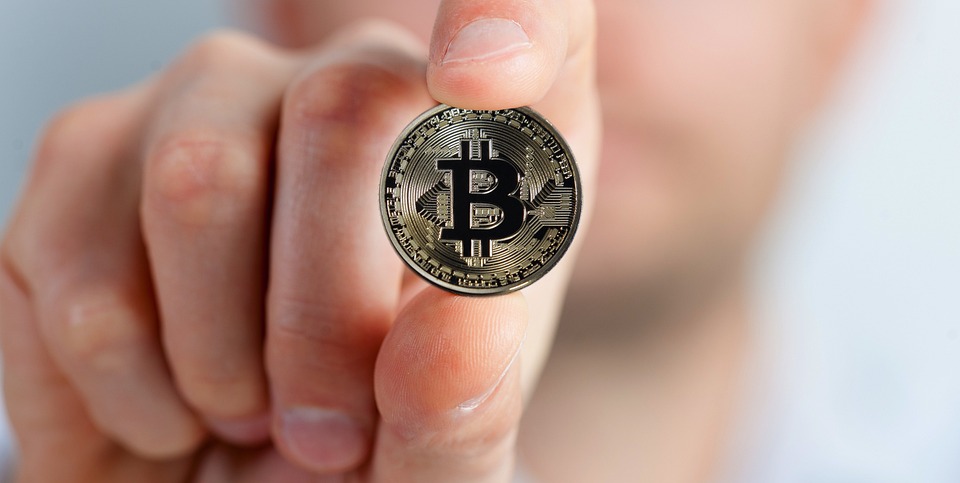
In a remarkable turn of events, Bitcoin, the original cryptocurrency, has reached a new milestone in market valuation, surpassing $1 trillion. Analysts and cryptocurrency enthusiasts alike are buzzing with excitement and speculation about what this means for the future of digital currencies. Bitcoin’s journey from a niche digital asset to a mainstream financial instrument has been storied and tumultuous. As Bitcoin continues to break its own records, the question remains: what’s next for the flagship cryptocurrency?
The Reasons Behind the Surge
Several factors have contributed to Bitcoin’s latest surge. Institutional adoption has accelerated, with a growing number of major companies, including Tesla and Square, adding Bitcoin to their balance sheets. This influx of traditional financial actors has bolstered Bitcoin’s legitimacy as a viable form of investment. Moreover, the ongoing trend of rising inflation has led many investors to seek alternative assets to hedge against fiat currency devaluation, with Bitcoin often being referred to as “digital gold.”
Market Sentiment and Analyst Predictions
Market sentiment plays a critical role in cryptocurrency valuation. According to a recent survey by data aggregator CryptoQuant, 72% of analysts expect Bitcoin to continue its upward trajectory throughout the year. This sentiment is largely driven by positive signals from both retail and institutional investors, coupled with the perception that Bitcoin is becoming an increasingly scarce commodity due to its capped supply of 21 million coins.
One well-respected analyst, PlanB, known for developing the Stock-to-Flow (S2F) model that predicts Bitcoin’s price based on its scarcity, has suggested that Bitcoin could reach a price of $200,000 to $300,000 by the end of 2023. His optimism is founded on historical price trends and the understanding that as Bitcoin’s block reward halves approximately every four years, its scarcity will amplify.
The Role of Regulatory Developments
The regulatory landscape surrounding cryptocurrencies is complex and continually evolving. Recently, favorable regulatory developments, particularly in the U.S. and Europe, have helped foster an environment that encourages institutional investment. Bitcoin Exchange-Traded Funds (ETFs) are now more accepted, and recent approvals reflect a growing institutional trust in Bitcoin as a legitimate asset class.
However, not all regulatory news has been positive, particularly amid concerns about fraud and security. Regulatory scrutiny remains a double-edged sword; while it provides legitimacy, it might also introduce challenges that could impact market dynamics significantly.
Risks and Challenges Ahead
While optimism surrounds Bitcoin’s recent performance, analysts stress caution due to inherent market volatility. Bitcoin is notorious for experiencing sharp price corrections; the cryptocurrency market’s overall volatility presents both risks and opportunities. Renowned analyst Peter Schiff, who remains a vocal skeptic of Bitcoin, warns that unless Bitcoin breaks the $100,000 barrier, it might not sustain its current trajectory, potentially paving the way for a significant correction.
Additionally, environmental concerns regarding Bitcoin mining and sustainability have drawn scrutiny. As awareness of climate change grows, Bitcoin’s energy-intensive mining practices have faced backlash, which could lead to regulatory action that may restrict mining operations or impose additional costs on miners.
The Future of Bitcoin in the Financial Ecosystem
The future of Bitcoin is more than just a question of price; it’s also about its role in the broader financial ecosystem. As retail and institutional investors factor Bitcoin into their portfolios, many analysts suggest we could see Bitcoin being used for more than just speculation. Emerging trends indicate that Bitcoin might increasingly serve as a medium of exchange and a unit of accounting, creating an ecosystem where cryptocurrencies coexist with traditional financial systems.
Furthermore, the rise of decentralized finance (DeFi) platforms has created new avenues for Bitcoin utilization, enabling holders to engage in lending, borrowing, and trading without intermediaries. These developments may enhance Bitcoin’s utility and further entrench its role within the global financial system.
Conclusion: Navigating a Future of Possibilities
As Bitcoin continues to make waves by hitting new milestones, both analysts and investors find themselves at a crossroads. With several factors fueling its rise and a host of challenges to navigate, the future remains uncertain yet promising. Analysts agree on one thing: Bitcoin is no longer just a passing trend; it has established itself as a formidable asset that is reshaping the financial landscape. Whether you see Bitcoin as a digital currency, a store of value, or a speculative asset, there’s no denying that its journey is only just beginning.

![Unleashing Potential: How [Platform Name] is Revolutionizing Crypto Trading](https://cdn.pixabay.com/photo/2016/11/23/14/37/blur-1853262_960_720.jpg "Unleashing Potential: How [Platform Name] is Revolutionizing Crypto Trading")