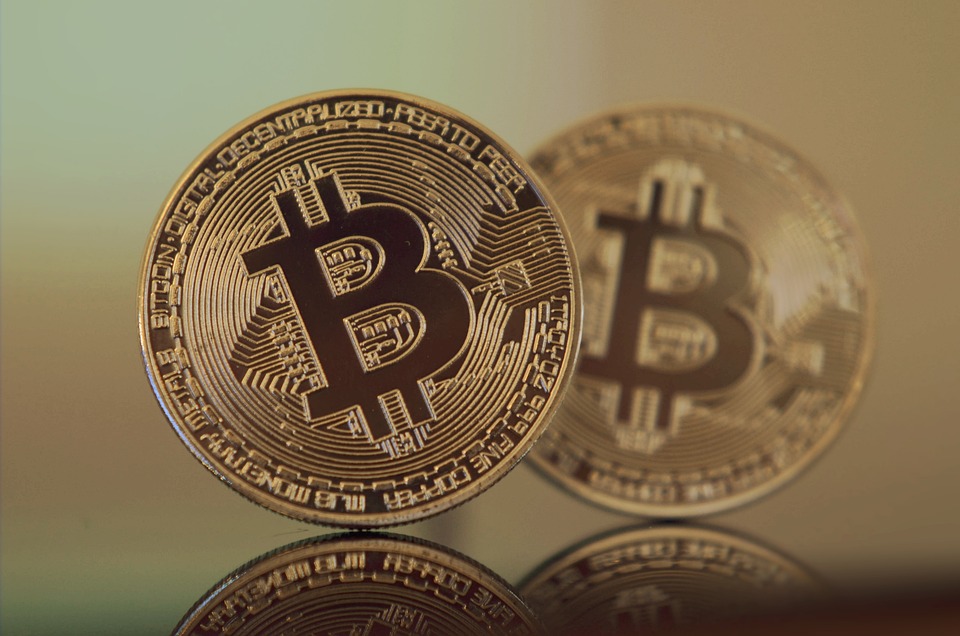
Since its inception in 2009, Bitcoin has established itself as the frontrunner in the cryptocurrency market. Despite the emergence of thousands of altcoins, Bitcoin’s dominance remains a crucial metric for assessing the health and direction of the broader crypto market. This article delves into what Bitcoin dominance is, its implications for market capitalization, and its significance for investors.
Understanding Bitcoin Dominance
Bitcoin dominance is a measure of Bitcoin’s market capitalization relative to the total market capitalization of all cryptocurrencies. It is typically expressed as a percentage. For instance, if Bitcoin’s market cap is $800 billion and the total crypto market cap is $1 trillion, Bitcoin’s dominance would be 80%.
This metric is essential for several reasons. It helps investors understand the market dynamics and can indicate the trend of investment—whether investors are favoring Bitcoin over altcoins or vice versa. A high Bitcoin dominance often suggests a market primarily influenced by Bitcoin, while a declining dominance may indicate a growing interest in altcoins.
The Market Cap Framework
The market cap of Bitcoin is derived from its circulating supply multiplied by its current price. This simple formula can provide insights into Bitcoin’s perceived value in the eyes of investors. When the price of Bitcoin surges, its dominance tends to increase, reflecting investor confidence.
In the early days, Bitcoin dominated nearly 100% of the crypto market; however, over time, the rise of altcoins such as Ethereum, Ripple, and Litecoin has diluted this dominance. As of 2023, Bitcoin’s market cap accounts for about 50-60% of the total crypto market cap, illustrating a more diversified ecosystem.
Implications for Investors
Analyzing Bitcoin dominance provides investors with valuable insights. Here are some key implications to consider:
1. Market Sentiment
A rising Bitcoin dominance often indicates bullish market sentiment. When Bitcoin is perceived as a safe haven or a preferred investment choice, investors are likely shying away from more volatile altcoins. On the contrary, when Bitcoin dominance falls, it may signal increasing investor confidence in altcoins as a viable investment, potentially hinting at an altcoin season.
2. Risk Management
For investors, understanding whether Bitcoin is gaining or losing dominance can inform risk management strategies. A diversified portfolio may include Bitcoin and a selection of altcoins. If Bitcoin dominance is rising, investors might choose to increase their holdings in Bitcoin, while a decline could encourage them to explore altcoin opportunities.
3. Timing and Trends
Historical trends indicate that significant fluctuations in Bitcoin dominance often precede major market cycles. For example, the last bull run in 2020 saw an increase in dominance just before a surge in Bitcoin prices. Investors can use these patterns to strategize entry and exit points, enhancing their chances of capitalizing on market trends.
The Impact of Altcoins
Altcoins have played an instrumental role in shaping Bitcoin’s dominance. The rise of Ethereum and DeFi projects significantly altered investor preferences, leading to a more diversified asset landscape. Moreover, the emergence of new altcoins often diminishes Bitcoin’s share as they capture market interest.
However, this should not be perceived negatively. The proliferation of altcoins can lead to increased innovation within the blockchain sector, creating opportunities for investors to identify and invest in promising projects that may rival or enhance Bitcoin’s value.
Global Economic Factors
Bitcoin dominance is also affected by external economic conditions. Factors such as regulatory changes, economic instability, and institutional adoption can impact Bitcoin’s market cap and, consequently, its dominance. For instance, heightened regulatory scrutiny can lead to a loss of confidence in cryptocurrencies, reducing altcoin market capitalizations but potentially increasing Bitcoin’s dominance as investors flock to the ‘safer’ option.
Future Considerations
The future of Bitcoin dominance remains uncertain. While it has historically been the dominant player, the rapid innovation and competition from altcoins may continue to challenge its supremacy. As decentralized finance (DeFi) and non-fungible tokens (NFTs) gain traction, Bitcoin’s share of the market might still fluctuate.
For investors, staying informed about market trends, ongoing innovations, and economic shifts is critical. Regularly analyzing Bitcoin dominance can serve as a compass, guiding investors in making sound decisions in a rapidly evolving market.
Conclusion
Bitcoin dominance serves as a vital indicator of market sentiment and trends in the cryptocurrency ecosystem. Understanding its significance and implications can empower investors to make better-informed decisions, effectively manage risk, and navigate the complexities of a diversified digital asset landscape. As the market continues to evolve, keeping an eye on Bitcoin dominance will remain essential for anyone looking to invest in cryptocurrencies.


![Unleashing Potential: How [Platform Name] is Revolutionizing Crypto Trading](https://cdn.pixabay.com/photo/2016/11/23/14/37/blur-1853262_960_720.jpg "Unleashing Potential: How [Platform Name] is Revolutionizing Crypto Trading")