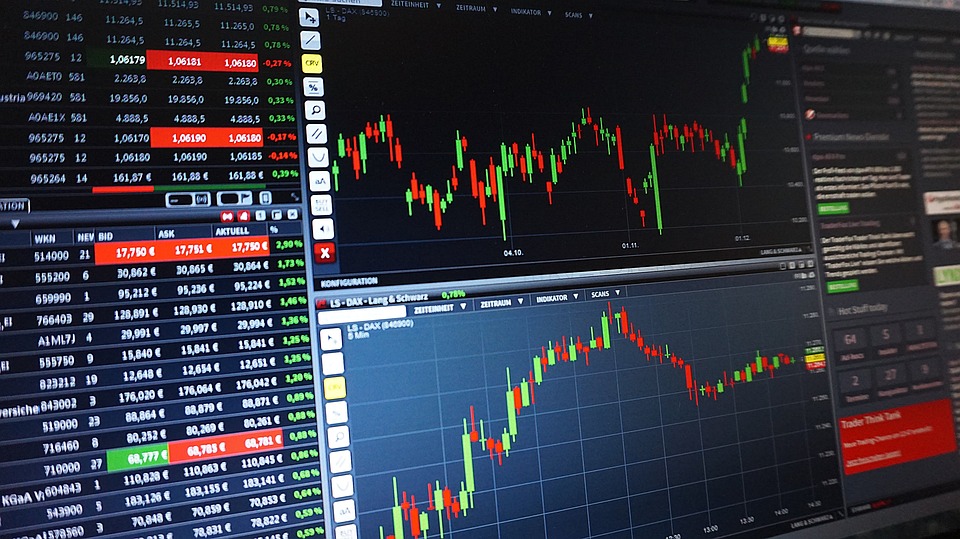
After a particularly volatile decade, Bitcoin has cemented its status as a digital asset that both excites and perplexes investors. From its meteoric rise in 2021, when it reached an all-time high of nearly $69,000, to its subsequent corrections, the cryptocurrency has demonstrated a unique market behavior that diverges sharply from traditional assets. As we enter the second half of 2023, recent trends in the Bitcoin market have raised eyebrows, leaving investors pondering the next moves they should make.
The Role of Institutional Adoption
One of the most significant trends influencing Bitcoin’s price trajectory is the increasing interest from institutional investors. Companies like MicroStrategy and Tesla have invested substantial amounts in Bitcoin as a hedge against inflation. According to a Forbes report, institutional presence in the cryptocurrency space is projected to continue growing, as regulatory frameworks become clearer and platforms enable easier access to digital assets.
Emerging Regulatory Frameworks
Moving towards a regulated environment could also benefit Bitcoin. Countries like the United States and those in the European Union are developing frameworks to oversee cryptocurrency transactions, aiming to protect investors and mitigate fraud. This regulatory clarity can instill confidence among new investors, subsequently leading to increased market capitalization. The recent approval of ETFs (Exchange Traded Funds) related to Bitcoin in multiple jurisdictions has significantly boosted trading volumes and liquidity, further solidifying Bitcoin’s position within the broader financial landscape.
Technological Advancements
Behind the scenes, technology continues to reshape the Bitcoin landscape. The Lightning Network, a second-layer solution designed to enable faster and cheaper transactions, is gaining traction. A recent study reported that the Lightning Network has already processed millions of transactions, showcasing its potential to scale Bitcoin’s capabilities. For investors, this means that Bitcoin may soon transition from being seen primarily as a store of value to being considered a functional means of exchange.
Market Sentiment: Bulls vs. Bears
The sentiments within the market are split. Bullish investors argue that the recent dips present buying opportunities, while bearish sentiments concern potential regulatory crackdowns and economic downturns. A notable bullish trend is the consistent accumulation by “whales” — individuals or entities holding significant amounts of Bitcoin. This accumulation suggests long-term confidence in Bitcoin’s future, countering the negative narratives about volatility and risk. The price activity in recent months shows a gradual increase, indicating that many believe the bottom has been reached.
Impact of Macroeconomic Factors
Macroeconomic factors significantly affect Bitcoin’s price movements. Inflation rates, interest rates, and overall economic stability can sway investor sentiment. With central banks around the world grappling with inflation, many are looking at Bitcoin as a hedge against currency devaluation. As traditional markets fluctuate, investors are diversifying their portfolios by adding Bitcoin, further stabilizing its demand.
Analyzing On-Chain Data
On-chain data, which refers to blockchain data about transactions, can provide insights into Bitcoin’s market behavior. Metrics such as active addresses, transaction volumes, and miner activity are critical indicators of market health. Recent analyses by crypto-data firm Glassnode have shown increased active addresses and transaction counts, signaling heightened interest and engagement from existing and new users.
Future Price Predictions
Predicting Bitcoin’s future price remains an arduous task filled with uncertainties. Various analysts have thrown several price targets based on current trends. Some conservative estimates project Bitcoin reaching $100,000 by the end of 2024, while more aggressive forecasts say it could even surpass $250,000 in the next bull cycle. However, it’s essential for investors to conduct thorough research and consider both market forces and external factors.
Conclusion: A Cautious Optimism
Bitcoin is undoubtedly breaking new ground, and its recent market trends present a unique opportunity for investors. With institutional adoption, regulatory clarity, technological advancements, and macroeconomic conditions favoring alternative assets, it is an exciting time to be involved in the cryptocurrency space. However, the inherent volatility and risks remain. Investors should adopt a cautious and informed approach, ensuring they assess their risk tolerance and investment strategy wisely.
As we traverse this evolving landscape, one thing is clear: Bitcoin is here to stay, and its trajectory will continue to be a focal point for both seasoned investors and newcomers alike.