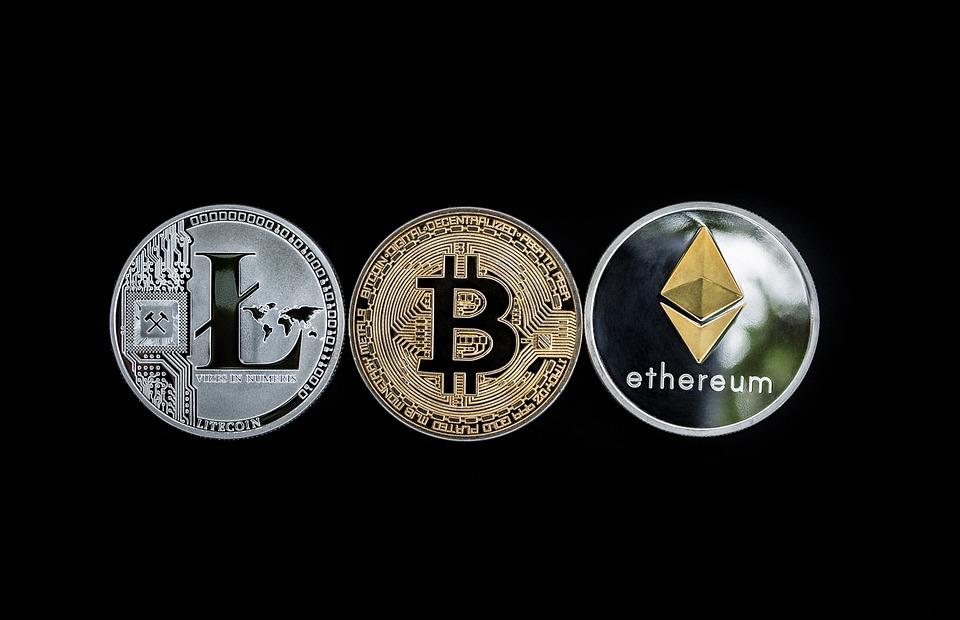
The cryptocurrency market is notorious for its volatility, but even the most seasoned investors were taken aback by the significant downturn that unfolded in recent months. What started as a promising year for crypto quickly turned into a landscape riddled with uncertainty, alarming price declines, and widespread sell-offs. This article will explore the multifaceted reasons behind the current bear market, shedding light on economic, regulatory, and psychological factors that have contributed to this troubling trend.
The Macroeconomic Climate
One of the major drivers of the recent crypto crash can be traced back to broader economic conditions. Globally, economies have been grappling with inflation rates not seen in decades. In response, central banks, particularly the U.S. Federal Reserve, have been hiking interest rates to curb inflation. Higher interest rates generally lead to increased borrowing costs, which can reduce consumer and institutional investment in riskier assets, including cryptocurrencies.
This adverse economic environment has not only affected traditional markets but has also spilled over into the realm of digital currencies. Investors are increasingly moving their funds into safer assets as they anticipate further interest rate hikes, leading to liquidity drains in cryptocurrencies. The result has been a marked sell-off that has caused prices to plummet significantly, with Bitcoin, often seen as a barometer for the market, dropping from its all-time high of nearly $69,000 in late 2021 to below $20,000 at times in 2022.
Regulatory Pressures
Another factor contributing to the decline of crypto prices has been growing regulatory scrutiny around the globe. Governments and financial institutions have taken an increased interest in the cryptocurrency sector due to concerns surrounding money laundering, tax evasion, and consumer protection. In the wake of high-profile scams and exchange collapses, regulatory bodies are stepping up their efforts to implement frameworks governing the industry.
For instance, the European Union has been working on the Markets in Crypto-Assets (MiCA) regulation, which aims to provide legal certainty and foster innovation while addressing risks related to cryptocurrencies. While such measures could ultimately lend legitimacy to the industry, the current environment has fostered uncertainty. Investors fear that tighter regulations may stifle innovation and lead to further volatility in the market.
Technological Setbacks
Issues within the technology underlying various cryptocurrencies have also contributed to the bearish sentiment. Security breaches, hacking incidents, and flaws in smart contracts have shaken investor confidence, especially in decentralized finance (DeFi) platforms. Notably, the collapse of Terra’s algorithmic stablecoin, UST, in mid-2022 led to a rapid loss of value across multiple cryptocurrencies, demonstrating how interconnected and fragile the crypto ecosystem can be.
Furthermore, scalability concerns for major blockchains have not been adequately addressed, raising questions about their ability to handle mass adoption. The Ethereum network’s transition to a more sustainable proof-of-stake model is a crucial development, but ongoing concerns about transaction fees and speed continue to dampen enthusiasm.
The Psychological Aspect: Fear and Greed
Possibly one of the most vital factors in the crypto crash has been to do with investor psychology. The market operates on a cycle of fear and greed, and the sharp downturn shifted sentiment dramatically. According to the Fear & Greed Index, which gauges the emotions driving the market, investors transitioned from a “greed” phase during the bull run to “extreme fear” during the bear market.
This shift can lead to panic selling. When prices began to drop, many retail investors, who might not have the same experience or temperament as institutional investors, chose to exit the market to mitigate their losses. This contributed to a snowball effect, driving prices lower and further entrenching the bearish outlook.
Future Prospects: Will the Market Recover?
While the current bear market has yielded significant challenges for investors, the question remains: Is recovery on the horizon? Some analysts believe that the market has reached a bottom or is close to it, which could present buying opportunities for those with a long-term perspective. The fundamental technology behind cryptocurrencies continues to advance, and the potential applications remain vast across sectors such as finance, gaming, and supply chain management.
In conclusion, the factors behind the crypto crash are complex and interconnected. From macroeconomic pressures and regulatory scrutiny to technological setbacks and shifting investor psychology, each plays a critical role in shaping market sentiment. As we move forward, it will be essential for investors to stay informed, adaptive, and resilient, navigating the ever-evolving landscape of cryptocurrencies.