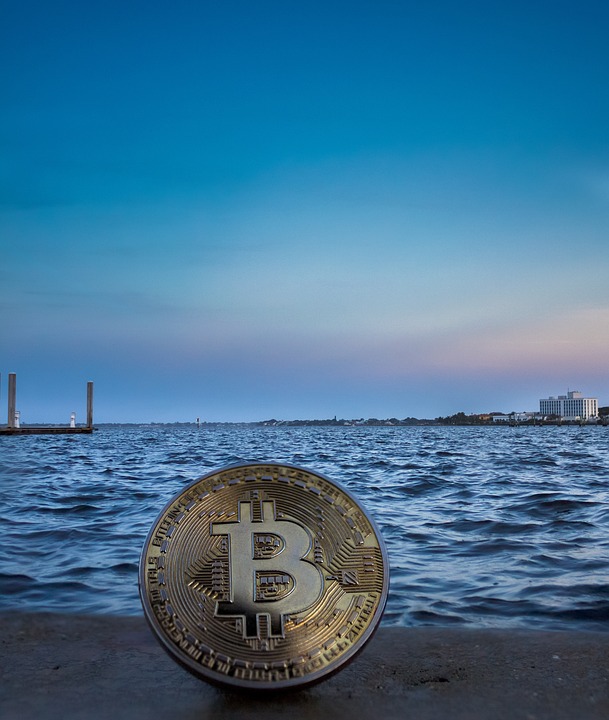
In recent years, cryptocurrency trading has shifted from a niche activity to a mainstream financial practice, thanks in large part to the rise of crypto trading exchanges. Platforms such as Binance, Coinbase, and Kraken have not only facilitated buying and selling digital assets but have also fundamentally transformed how individuals and institutions approach investing. This transformation raises questions about regulatory environments, market stability, and the future of traditional finance.
The Emergence of Crypto Trading Exchanges
The inception of Bitcoin in 2009 marked the beginning of decentralized finance, but it was not until the introduction of exchanges like Mt. Gox that crypto trading began to gain traction. Mt. Gox, which became the world’s largest Bitcoin exchange in 2013, provided a platform for users to trade Bitcoin for fiat money. However, its eventual collapse due to a massive hack raised concerns about the security and reliability of these platforms.
Despite early setbacks, the crypto trading ecosystem evolved rapidly. By the mid-2010s, more robust exchanges emerged, characterized by improved security measures and user-friendly interfaces. The decentralization afforded by blockchain technology appealed to many, leading to an influx of investment into the crypto space. According to a report by CoinMarketCap, the number of platforms providing crypto trading services skyrocketed from fewer than 100 in 2015 to over 500 by 2021, demonstrating the growing appetite for digital assets.
How Exchanges Empower Individual Investors
Crypto exchanges have democratized access to financial markets, empowering individual investors who traditionally lacked the means to participate in significant investment opportunities. With the ability to trade 24/7 and invest small amounts, individuals can now build diversified portfolios through buying fractional shares of cryptocurrencies.
“Crypto trading exchanges serve as gateways to a new realm of wealth-building for individuals, leveling the playing field in finance.”
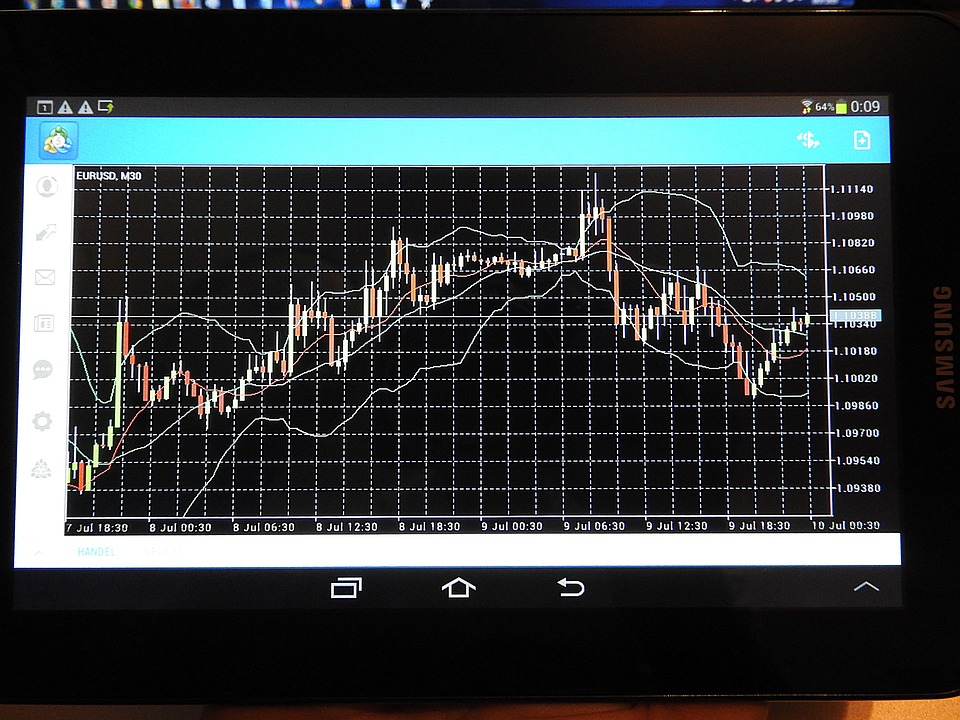
This democratization extends to education as well. Many exchanges provide comprehensive resources, enabling new investors to educate themselves before diving into trades. The incorporation of advanced tools such as charts, analytics, and algorithms also helps traders make informed decisions, bridging the gap between amateurs and seasoned investors.
The Role of Regulation and Security
As the popularity of crypto trading exchanges surged, so too did scrutiny from regulatory agencies. Governments worldwide have grappled with the ideal approach to regulating this new financial frontier while ensuring user security and preventing illicit activities like money laundering and fraud. Countries such as the United States have implemented regulations for crypto exchanges, requiring them to register with the Financial Crimes Enforcement Network (FinCEN) and adhere to Know Your Customer (KYC) and Anti-Money Laundering (AML) practices.
However, the regulatory landscape remains fragmented, with some regions adopting progressive stances while others impose restrictive measures. In China, for instance, exchanges faced a crackdown that led to the removal of many platforms, driving traders to decentralized platforms as alternatives. This reflects a critical dilemma for regulators: how to balance innovation with consumer protection and market integrity.
The Operational Mechanics of Exchanges
Understanding the mechanics of crypto trading exchanges is essential for grasping their impact on the financial landscape. Exchanges operate either as centralized or decentralized platforms. Centralized exchanges (CEX) like Binance and Coinbase act as intermediaries, facilitating transactions between buyers and sellers while managing custody of users’ digital assets. Conversely, decentralized exchanges (DEX) like Uniswap and SushiSwap enable peer-to-peer trading directly on the blockchain without an intermediary.
CEXs typically offer higher liquidity and a broader range of trading pairs, but they also bear risks associated with hacking and mismanagement. On the other hand, DEXs provide enhanced privacy and reduced counterparty risks but often suffer from lower liquidity and slower transaction speeds. The rise of decentralized finance (DeFi) platforms further diversifies the crypto landscape, showcasing innovative financial solutions like lending and yield farming.
The Future of Financial Transactions
Looking ahead, the influence of crypto trading exchanges on the financial landscape is likely to accelerate. With the advent of blockchain technology, traditional financial institutions are exploring ways to incorporate crypto assets into their portfolios. This indicates a growing consensus that digital currencies could play a pivotal role in the future of global finance.
Moreover, the integration of cryptocurrencies into payment platforms like PayPal and the acceptance of Bitcoin by major companies such as Tesla signifies broader mainstream adoption. A shift toward digital denominations is on the horizon, with central banks exploring Central Bank Digital Currencies (CBDCs) as a way to modernize monetary systems while retaining regulatory control.
Conclusion
The rise of crypto trading exchanges represents a transformative wave in the financial landscape, redefining how individuals and institutions interact with money. By democratizing access to digital assets and catalyzing innovation within the financial sector, these platforms could play a crucial role in shaping the future of economic transactions. As we continue navigating this complex and rapidly evolving space, understanding the implications of crypto trading will be essential for investors, regulators, and financial authorities worldwide.