The last decade has witnessed an unprecedented rise in the popularity of cryptocurrencies, with Bitcoin leading the charge. As digital currencies proliferate, the crypto market has caught the attention of both investors and skeptics alike. The overall sentiment often oscillates between bullish enthusiasm and bearish dread, leading many to ponder a crucial question: Are we riding a wave of innovation, or are we merely riding for a fall?
The Anatomy of a Bubble
To understand the crypto market bubbles, one must first comprehend the fundamental characteristics of a financial bubble. The economist Robert Shiller defines a bubble as a “social phenomenon” where asset prices exceed their intrinsic value, often driven by emotion rather than sound investment principles. This phenomenon is not unique to cryptocurrencies but can be seen throughout history in various asset classes, including real estate and tech stocks.
The crypto market has demonstrated several traits consistent with bubble-like behavior, such as rapid price surges, overwhelming media coverage, and a surge in retail investor participation during speculative phases. For example, Bitcoin surged from around $1,000 in early 2017 to nearly $20,000 by December of the same year, only to experience a steep decline in subsequent months.
The Role of Media and Hype
One of the primary catalysts of the crypto market bubble is the power of media and social networks. The rise of platforms such as Twitter and Reddit has enabled information—both accurate and misleading—to spread like wildfire. Retail investors often rely on social media trends to make investment decisions, missing the nuanced analyses offered by financial experts.
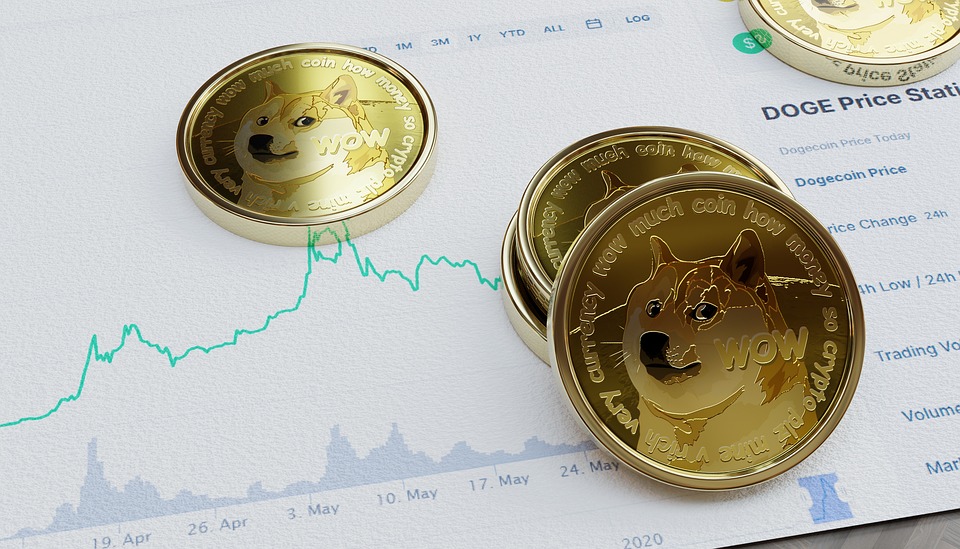
Hype and FOMO (fear of missing out) play pivotal roles in driving interest and investment. The infamous rally in January 2021, often dubbed “the meme stock movement,” saw prices of cryptocurrencies such as Dogecoin soar as influencers and celebrities promoted them online. While the community aspect of cryptocurrencies fosters enthusiasm and engagement, it can also obscure rational investment strategies.
“In hindsight, we can see that the major cryptocurrencies are investing vehicles, but it often takes a market correction for investors to realize they were caught in the hype.” – Bitcoin Expert
Historical Context: The Dot-Com Bubble
Comparisons between the current state of the crypto market and the dot-com bubble of the late 1990s are common. The dot-com boom saw companies with little to no revenue achieving market capitalizations in the billions, driven by speculation and consumer interest in the internet. After reaching its peak in March 2000, the bubble burst, resulting in massive losses. Similar parallels can be drawn with cryptocurrencies; many obscure altcoins have emerged promising revolutionary technologies without delivering tangible results.
Yet, unlike the dot-com bubble, some cryptocurrencies underpin innovative technologies, such as blockchain, which have the potential for real-world utility. Decentralized finance (DeFi), non-fungible tokens (NFTs), and smart contracts have sparked a revolution in finance, art, and business, suggesting that not every cryptocurrency operates from a speculative basis.
Investor Psychology: The Double-Edged Sword
Investor psychology plays a critical role in both fueling and deflating market bubbles. Behavioral finance suggests that many investors fall prey to cognitive biases. The overconfidence bias leads them to underestimate risks, while loss aversion makes them reluctant to sell their holdings during downturns.
“The psychology of traders often drives the market more than fundamentals. The ‘greater fool theory’ posits that investors buy assets not on their intrinsic value but on the assumption that there will always be someone to buy them at a higher price,” explains Dr. Anna Wong, a behavioral economist.
Regulatory Intervention: The Looming Shadow
As cryptocurrencies gain popularity, regulatory bodies across the globe are stepping in. Governments are keen to impose regulations on exchanges, transactions, and initial coin offerings (ICOs), making the landscape even more unpredictable. Regulatory intervention could either stabilize the market by offering consumer protection or stifle innovation, leading to another market contraction.
For example, China’s thorough crackdown on Bitcoin mining in 2021 led to a significant drop in prices. Many analysts argue that as long as the regulations remain unclear, investors might continue to engage in risky behavior, contributing to bubble dynamics.
The Future: Navigating the Waves
So, what does the future hold for cryptocurrencies? The potential for continued growth exists if investors can learn to navigate the waves wisely. With more educational resources available and a growing involvement of institutional investors, a more sophisticated market could emerge.
Furthermore, the increasing adoption of blockchain technology by various industries indicates that cryptocurrencies might not fade into obscurity but instead evolve. The key lies in differentiating sound investments from speculative “pump-and-dump” schemes. As veteran investors often say, “Do your own research.”
Conclusion
Ultimately, the question of whether we are riding the wave of a crypto revolution or heading towards a bubble that will crash is complex and layered. While undeniable risks exist, the advancements in technology and widespread interest suggest potential longevity. As with any investment, prudence, education, and a keen sense of market signals will be paramount for navigating this volatile landscape. Investors must brace themselves with due diligence, astute analysis, and an understanding of the psychological factors at play in this electrifying digital frontier.


![Trading Made Easy: A Deep Dive into [Platform Name]’s User-Friendly Features](https://cdn.pixabay.com/photo/2021/10/08/04/55/stock-market-6690188_960_720.jpg "Trading Made Easy: A Deep Dive into [Platform Name]’s User-Friendly Features")