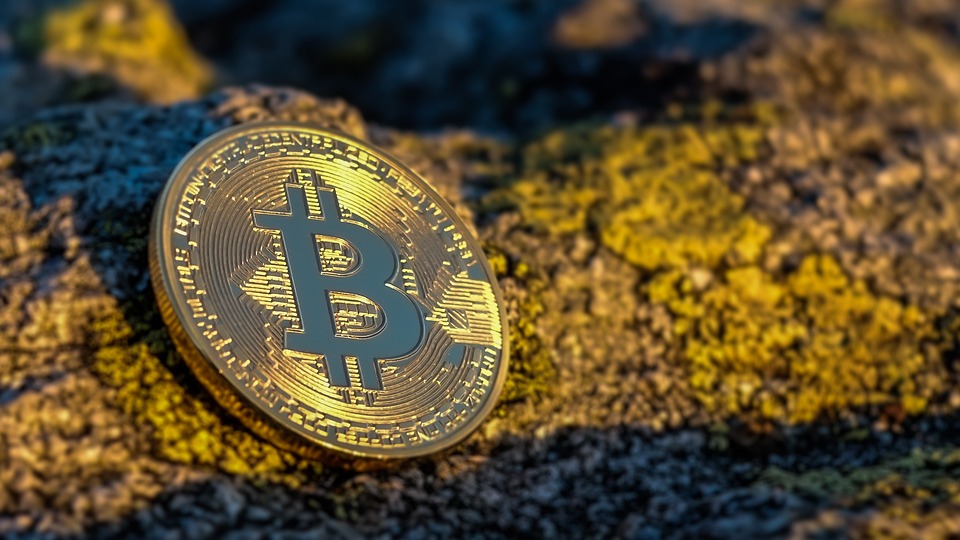
In the digital age, the term “mining” has taken on a new meaning. Unlike traditional mining, which extracts valuable minerals and metals from the earth, cryptocurrency mining is a unique process that validates and records transactions on blockchain networks. This article will delve into the fundamentals of cryptocurrency mining, its significance, and the mechanisms that make it all possible.
What is Cryptocurrency Mining?
At its core, cryptocurrency mining is the process by which transactions are verified and added to a blockchain ledger. Miners utilize powerful computers to solve complex mathematical problems. Once a problem is solved, the miner is allowed to add a block of transactions to the blockchain, rewarding them with newly minted coins here we’ll focus predominantly on Bitcoin, the original and most recognized cryptocurrency.
The Blockchain: The Backbone of Cryptocurrency
To fully grasp cryptocurrency mining, it’s essential to understand the blockchain. The blockchain is a decentralized and distributed ledger that records all transactions across a network of computers. Rather than being stored in a single location, copies of the blockchain exist on multiple nodes (computers) across the globe. This decentralization is a crucial aspect of many cryptocurrencies, promoting transparency and reducing the risk of fraud.
Each block in the blockchain contains a list of transactions and a cryptographic hash of the previous block, linking them securely. This ensures that once a transaction is recorded, it cannot be altered without altering all subsequent blocks, providing a layer of security not typically found in traditional databases.
How Mining Works
The mining process involves several steps:
1. Transaction Verification
When users make transactions using cryptocurrency, those transactions are broadcasted to the network. Miners collect these transactions and verify their legitimacy. This verification process ensures that users do not spend the same cryptocurrency multiple times (a problem known as double-spending).
2. Solving Cryptographic Puzzles
Once transactions are verified, miners compete to solve a complex mathematical puzzle known as a hash. This puzzle’s difficulty is adjusted approximately every two weeks to maintain a consistent time for block generation—in Bitcoin’s case, roughly every 10 minutes.
The hashing function transforms the data into a fixed-length string, and the miner must produce a hash that meets specific criteria, typically starting with several zeros. This requires substantial computational power, leading to enormous energy consumption and a significant investment in hardware.
3. Adding the Block to the Blockchain
When a miner solves the puzzle, they announce it to the network. Other miners verify the solution, and once confirmed, the block of transactions is added to the blockchain. The miner receives a block reward, which consists of newly minted coins and transaction fees from the verified transactions.
The Rewards and Incentives
The incentives are structured to encourage participation in the mining network. As of now, Bitcoin miners receive 6.25 BTC for each mined block—a reward programmed to halve approximately every four years in an event known as the “halving.” As the reward decreases, the total supply of Bitcoin is capped at 21 million coins, introducing scarcity and potentially increasing value over time.
Types of Mining
Cryptocurrency mining can be broadly categorized into four types, each differing in methodology and resource requirements:
1. Solo Mining
Solo mining involves an individual attempting to mine cryptocurrencies independently. This approach requires significant computational power, and the chances of successfully mining a block are relatively low without substantial resources.
2. Pool Mining
Pool mining allows miners to combine their computational resources to improve their chances of solving a block. Rewards are distributed among participants based on their contribution, making it a popular choice for smaller miners.
3. Cloud Mining
Cloud mining involves renting computing power from a third party. This option can reduce hardware costs and technical barriers but also brings risks associated with untrustworthy service providers.
4. GPU Mining
Graphics Processing Units (GPUs) are commonly used for mining because they offer higher performance compared to Central Processing Units (CPUs). They are particularly effective in mining cryptocurrencies that use algorithms resistant to ASIC mining.
The Environmental Impact of Mining
As cryptocurrency mining has grown, so too have concerns over its environmental impact. Bitcoin mining, in particular, has been criticized for its excessive energy consumption, leading to debates about sustainability. Different solutions, including the transition to renewable energy sources and the exploration of newer, more efficient consensus mechanisms (like Proof of Stake), are being evaluated to mitigate these issues.
The Future of Cryptocurrency Mining
As technology evolves, so will the mechanisms of cryptocurrency mining. From advancements in hardware to shifts in how cryptocurrencies are mined, the landscape is continually changing. Innovations such as improved energy-efficient systems and alternative consensus algorithms may pave the way for a more sustainable and equitable mining ecosystem.
Cryptocurrency mining, while technical and complex, serves as a cornerstone of the cryptocurrency ecosystem. Understanding its fundamentals demystifies this critical process, illuminating the path paved by the passionate and innovative community of miners that continues to shape the future of finance.