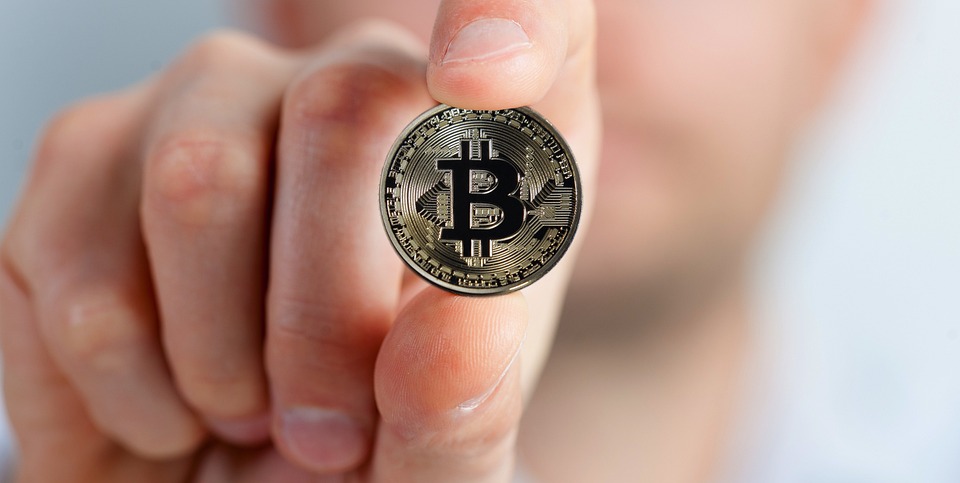
In a world increasingly driven by technology, the rise of cryptocurrency represents one of the most significant innovations of our time. Often viewed as a speculative investment or a financial fad, cryptocurrencies such as Bitcoin, Ethereum, and countless altcoins are much more than just a passing trend. They are at the forefront of a digital currency revolution, fundamentally altering the way we think about and engage with money.
The Genesis of Cryptocurrency
The journey of cryptocurrency began with Bitcoin in 2009, introduced by an elusive figure known as Satoshi Nakamoto. The genesis block of Bitcoin marked the establishment of a decentralized digital currency that operates without the need for a central authority. This was revolutionary because it leveraged blockchain technology—a distributed ledger that ensures transparency and security while eliminating intermediaries such as banks.
Since then, thousands of cryptocurrencies have emerged, each designed with unique features and purposes. Ethereum, for instance, introduced smart contracts, allowing developers to build decentralized applications (dApps) on its platform. These advancements are reshaping industries from finance to entertainment and even supply chain management.
The Mechanics of Cryptocurrency
At its core, cryptocurrency operates on a technology called blockchain, which is a decentralized database maintained by a network of computers (or nodes). Each block in the chain contains a list of transactions, securely linked to the previous block, making it nearly impossible to alter without consensus from the network.
The process of creating new coins is known as mining. Miners compete to solve complex mathematical problems, and the first to succeed gets to add a new block to the blockchain and is rewarded with cryptocurrency. This not only validates transactions but also serves to distribute coins into the ecosystem.
The Benefits of Cryptocurrency
Cryptocurrencies come with a range of potential benefits:
- Decentralization: Unlike traditional currencies, which are controlled by governments and central banks, cryptocurrencies are decentralized, giving users more control over their own assets.
- Security: Blockchain technology provides a secure way to conduct transactions, making it difficult for fraudsters to manipulate or counterfeit coins.
- Lower Transaction Fees: Peer-to-peer transactions can significantly reduce costs associated with traditional banking and wire transfers.
- Accessibility: With just an internet connection, anyone can participate in the cryptocurrency market, regardless of their geographical location or socio-economic status.
The Risks and Challenges
Yet, as with any revolutionary technology, there are risks and challenges inherent in cryptocurrency:
- Volatility: The prices of cryptocurrencies can be extremely volatile, sometimes fluctuating wildly within a single day, which can result in significant financial losses.
- Regulatory Concerns: Governments around the world are grappling with how to regulate cryptocurrency, and legal uncertainties can pose risks for investors and businesses alike.
- Security Risks: While blockchain itself is secure, exchanges and wallets have been targets for hacks and cyber theft, making the safe storage of digital assets critical.
Cryptocurrency and the Future of Finance
As we look to the future, the implications of cryptocurrency extend far beyond individual wealth. Many financial experts argue that cryptocurrencies could redefine our global financial system, providing greater financial inclusion and democratizing access to capital.
DeFi (Decentralized Finance) is one of the most promising trends within the cryptocurrency space. By removing traditional intermediaries, DeFi platforms enable users to lend, borrow, and trade directly with one another, potentially offering services to those who are typically underserved by traditional financial institutions.
Getting Started with Cryptocurrency
For those intrigued by the idea of investing in cryptocurrency, starting can seem daunting. However, the process is relatively straightforward:
- Choose a Reliable Exchange: Platforms like Coinbase, Binance, and Kraken allow users to purchase cryptocurrencies using traditional currency.
- Set Up a Wallet: Once you have purchased cryptocurrency, you’ll need a secure wallet to store your assets. Options include hardware wallets for maximum security and software wallets for easier access.
- Start Small: For beginners, it’s wise to start with a small investment and gradually increase it as you become more familiar with market dynamics.
Conclusion
Cryptocurrency is not just a passing trend; it’s heralding a new era of digital finance that embraces innovation, accessibility, and decentralization. As the world continues to adapt to this shift, staying informed and understanding the basics of cryptocurrency will be crucial for both personal finance and global economic participation. Whether you’re an investor, developer, or simply curious, the digital currency revolution offers a world of opportunities waiting to be explored.